56.15150290274, 2.9250806158576
How It Works
1.Discover
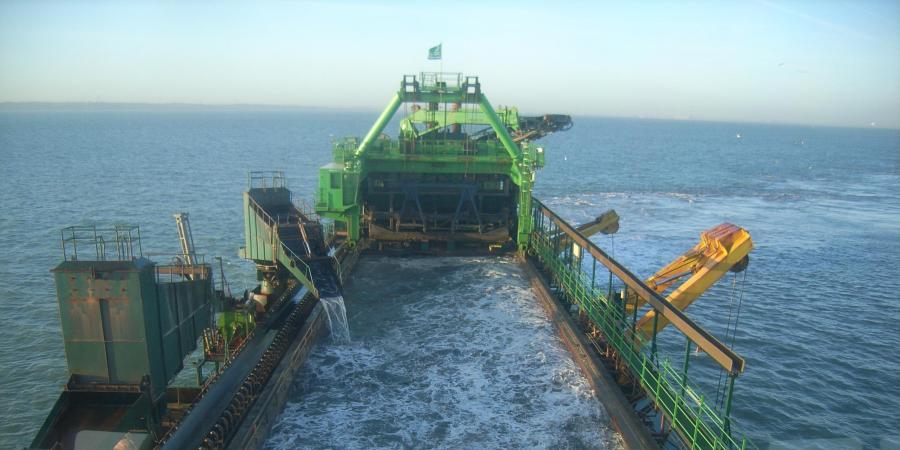
Staff find archaeological material during dredging
2.Report
Contact Wessex Archaeology's Protocol Implementation Service
3.Protect
Specialists investigate and advise on protection measures
What is the Protocol?
The offshore dredging industry provides around 20% of the aggregate needed for UK construction. While dredging areas are archaeologically assessed before licensing, there remains the potential for unexpected discoveries to be made by staff during operations.
Back in the late 20th century, the marine archaeological resource was not well understood, and there were gaps in our understanding about what was on the seabed and how it could be identified. The marine aggregates industry was keen to identify potential impacts from dredging, the significance of effects and to develop mitigation to minimise impact. In 2003, the British Marine Aggregate Producers Association (BMAPA) and Historic England asked Wessex Archaeology to produce guidance. The guidance set out how to archaeologically assess aggregate areas, and crucially recommended the development of Protocols for unexpected discoveries.
Rather than have many different Protocols for each individual dredging project, BMAPA and English Heritage wanted a single, unified Protocol, applicable to all dredging areas, vessels and wharves, so that the reported finds could be explored thematically as well as regionally. Established in 2005 by BMAPA, Historic England, and The Crown Estate, the Protocol provides clear guidance for reporting finds. Wessex Archaeology's Protocol Implementation Service investigates every discovery with specialist support, helping protect significant sites and build understanding of our maritime past.
In subsequent years, additional supporting guidance was developed, covering Palaeolithic and Mesolithic Archaeology on the Seabed and how to report aircraft material.
In 2024, additional guidance was produced for beach replenishment/nourishment and contract fill projects, after a number of projects indicated that archaeological material had been found after work had been finished. Since aggregate is deposited directly on beaches and during fill projects, there isn’t the opportunity for staff at wharves to make discoveries during processing, so additional mitigation measures are required to cover potential discoveries.
Report a Find
Watch the training video
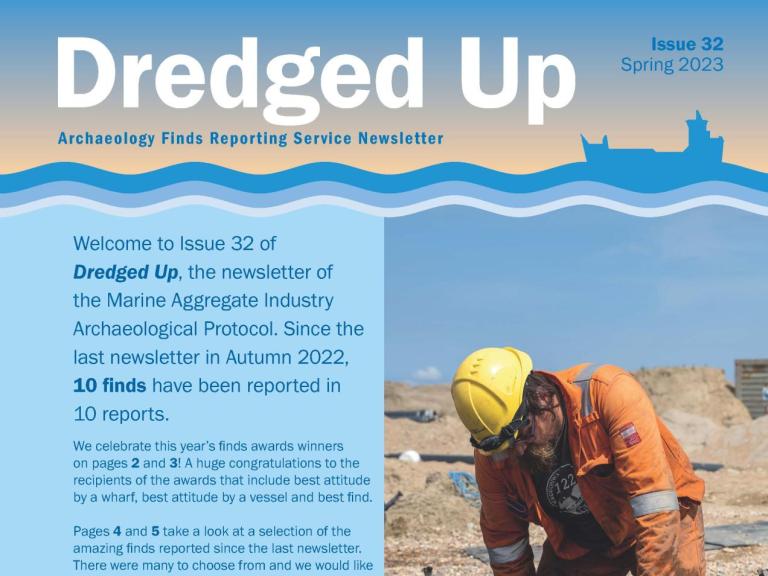
Dredged Up Newsletter
Protocol Implementation Service
The Protocol recommends that every find discovered during aggregate dredging is reported through an Implementation Service run by Wessex Archaeology.
We investigate every find that has been reported with the support and advice of a wealth of specialists, both within Wessex Archaeology and across the country. This information is collated into find reports –for the wharf or vessel that made the discovery, Historic England, BMAPA, The Crown Estate, Local Historic Environment Records and Sites and Monuments Records, and the Receiver of Wreck when necessary. Any other agency that may have an interest in dredged remains, for example the Ministry of Defence, will also be informed.
For any discoveries that are particularly significant or could indicate the presence of a larger site of archaeological interest or importance, a temporary archaeological exclusion zone is implemented, and further mitigation is discussed with Historic England.
The way in which finds are reported allows our submerged heritage to be understood and this information, gained because of the diligence of the staff of BMAPA member companies, has become an important resource for protecting our heritage and informing other offshore projects.
Each year, an annual report is produced that summarises the discoveries and collates the find reports. The annual reports from the Implementation Service are available to download or view on our Open Library.
Dive into the finds from the Marine aggregate Industry Archaeological Protocol
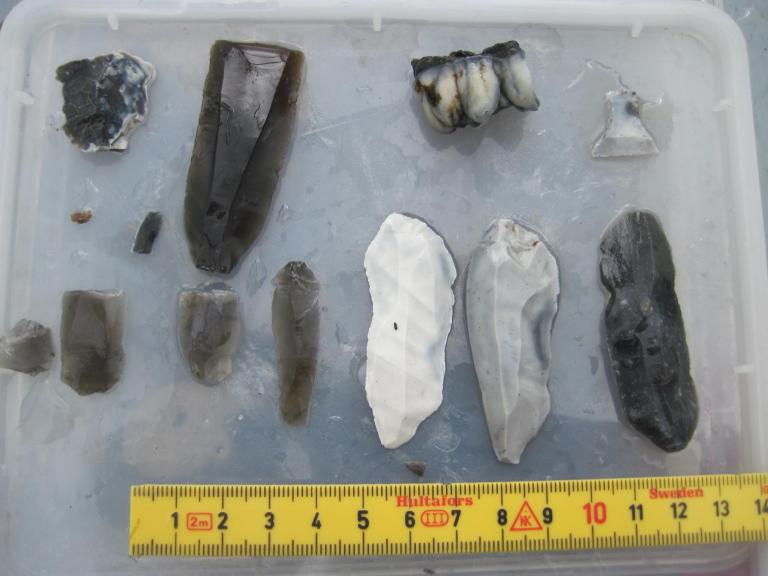
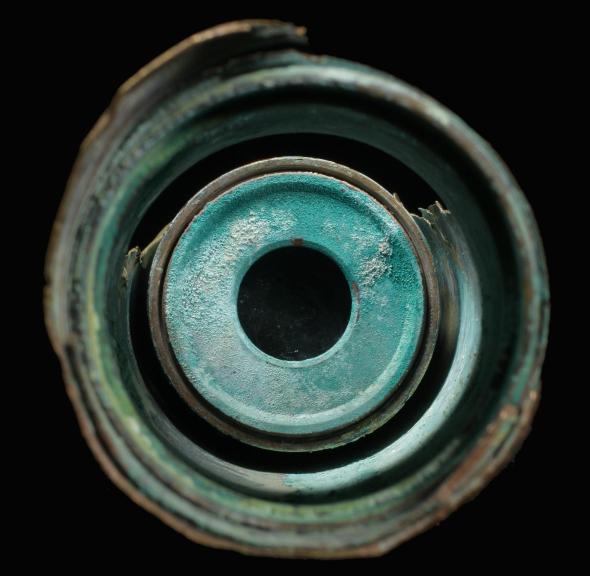
Explore fascinating finds from prehistoric tools to historic shipwrecks on our Open Library or follow updates on our Facebook page. Take a deeper look at the archaeology of the Marine Aggregates Industry Archaeological Protocol through our interactive storymap at the bottom of this page.
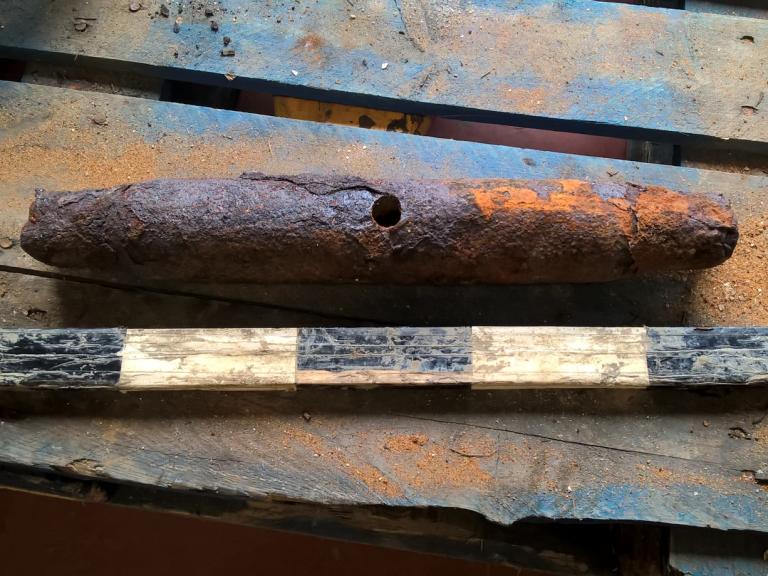
Book Your Free Protocol Awareness Visit
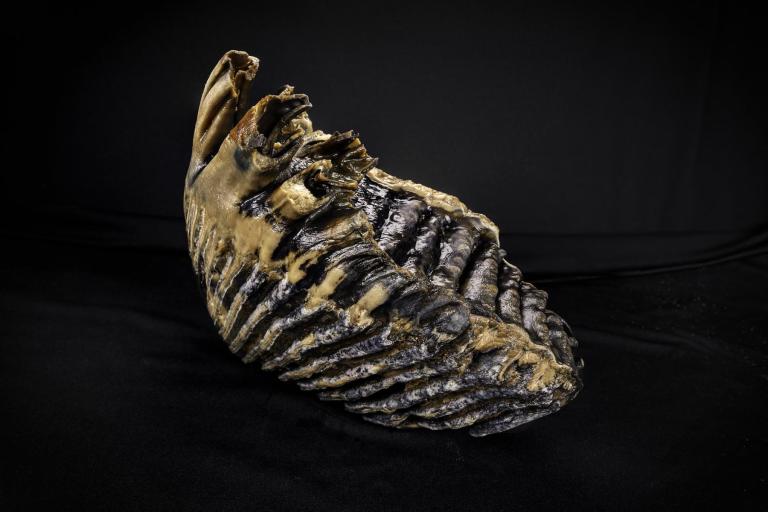
Annual Reviews
Explore the archaeology of the Marine Aggregates Industry Protocol through the storymap below and discover our ancient sunken landscape.
Team