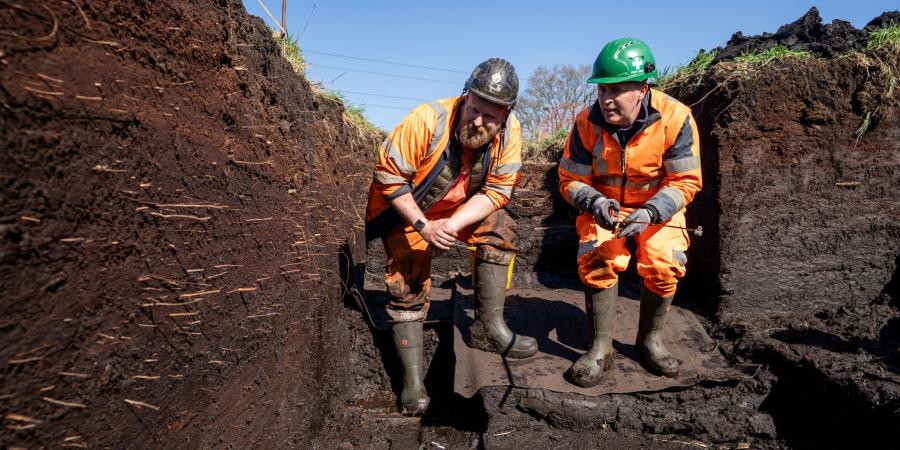
Archaeological excavations in Somerset have revealed evidence of a nearly 6000-year-old wooden trackway, which would have been used by our early Neolithic ancestors to cross the area’s watery marshes.
The dig, carried out on behalf of Somerset Wildlife Trust and Species Survival Fund, discovered the ancient trackway preserved under layers of peat at Honeygar – Somerset Wildlife Trust's first ‘wilded’ site.
Our team were originally called in to investigate the condition of a prehistoric trackway and Historic England scheduled monument believed to be around 4,600 years old when they discovered one roughly 1,000 years older. Made of birchwood poles and brushwood, it has been radiocarbon dated to between 3,770 and 3,640 BC.
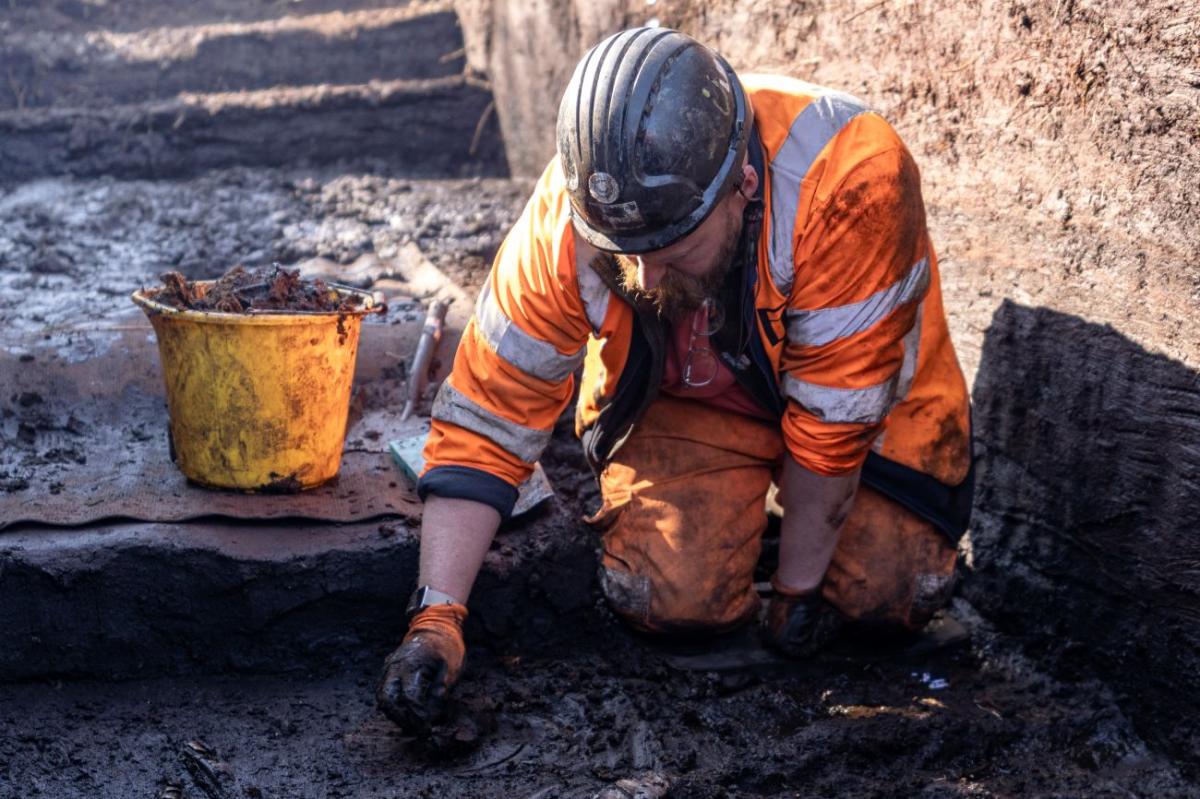
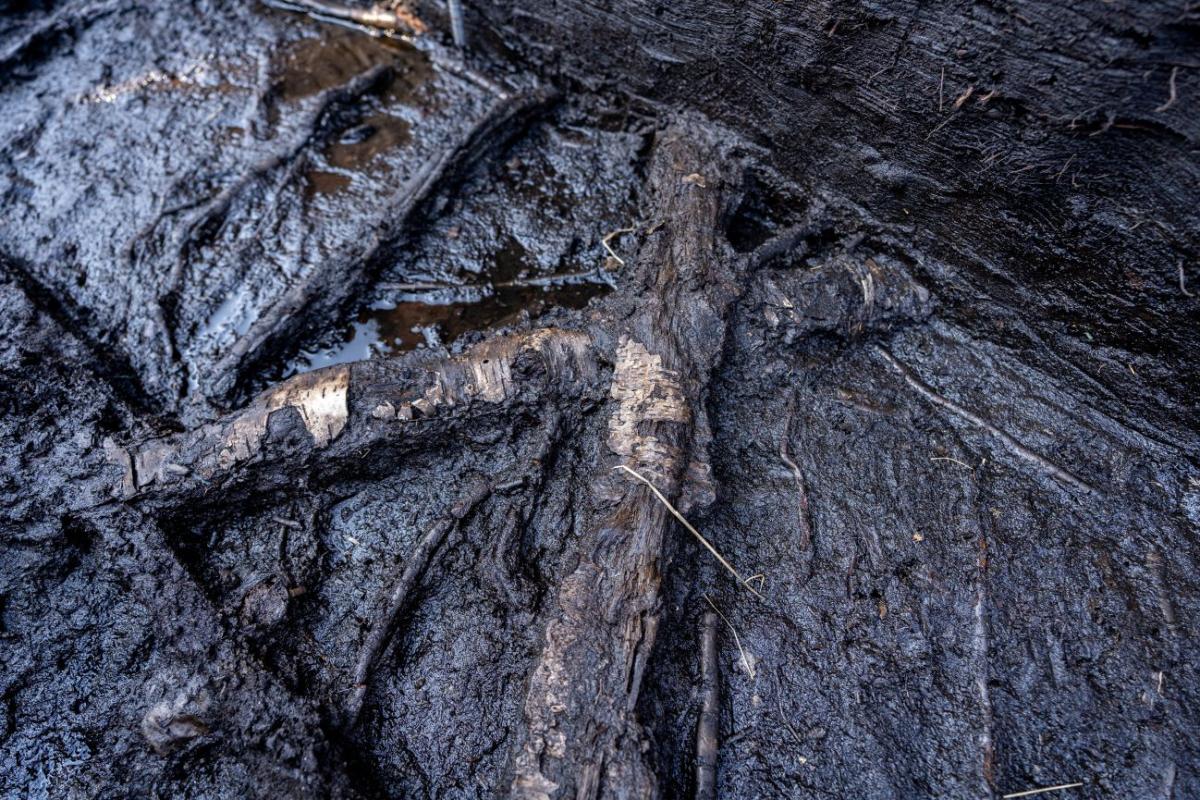

Images © Wessex Archaeology
Trackways were raised wooden walkways used to cross the marshes that once covered the British Isles, enabling our ancestors to traverse a challenging environment. Thanks to the peatlands at Honeygar, this nearly 6000-year-old structure has been preserved for millennia, along with the remains of the flora and fauna that once thrived here.
With increasingly frequent droughts due to the climate crisis, our peat-rich landscapes and the heritage contained within them are at risk. Somerset Wildlife Trust’s conservation efforts at Honeygar include sustainably managing water levels to stop peat disappearing, whilst simultaneously protecting the historic environment.

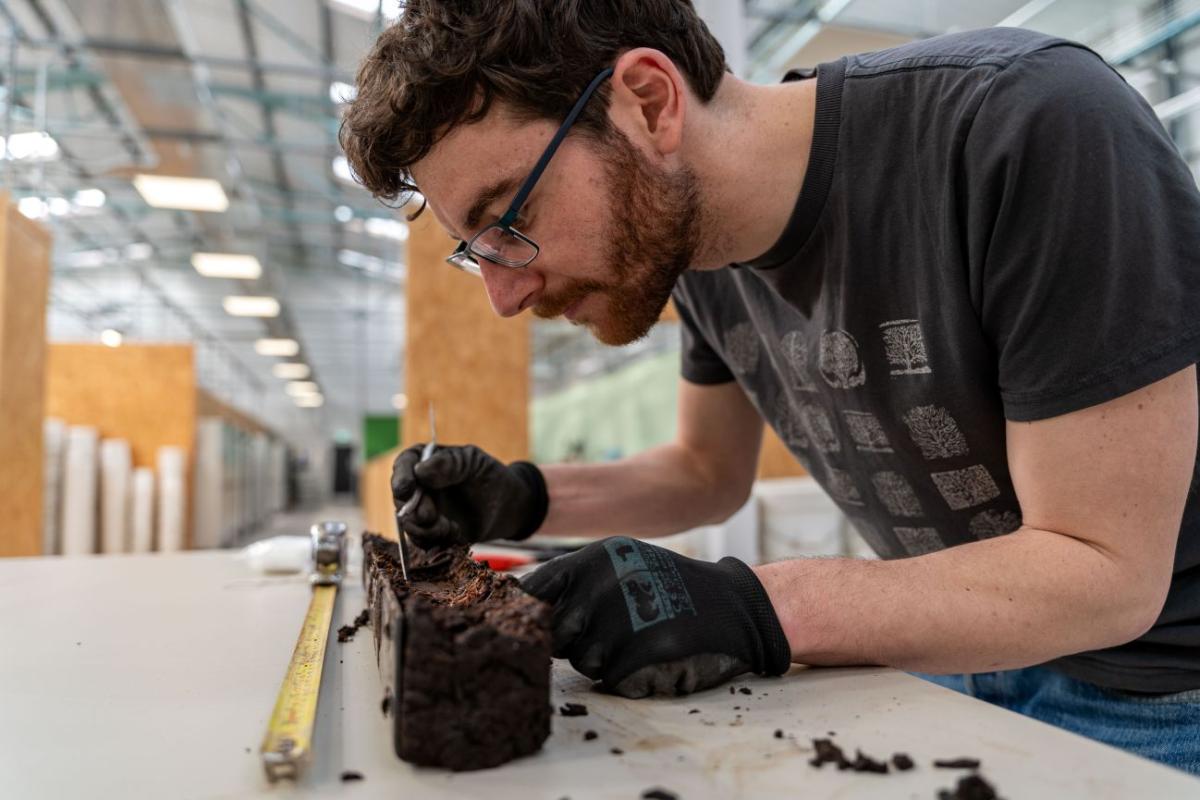
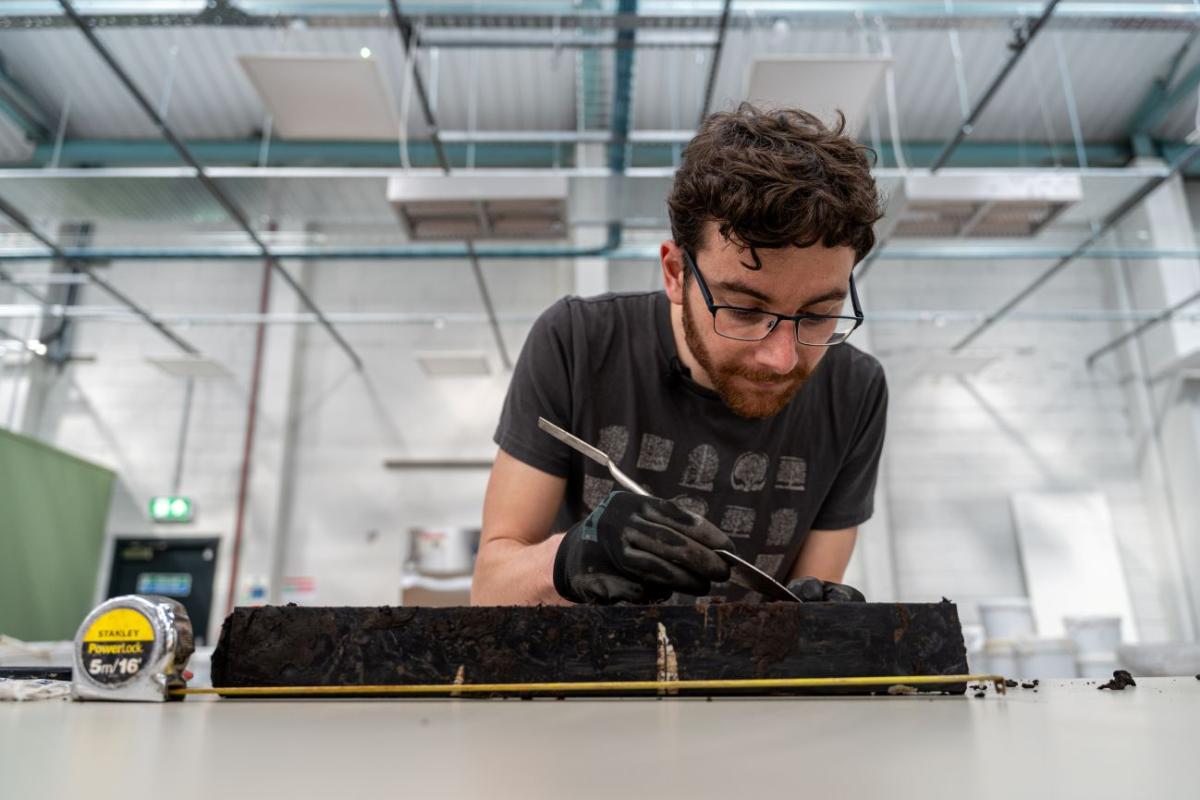
Images © Wessex Archaeology
The anaerobic conditions of peat have the ability to preserve not only wooden structures, but pollen, plant remains, insects, and microscopic organisms which reveal thousands of years of climate change and human activity.
Our Environmental Archaeologists are now analysing soil samples taken on site in an effort to unlock these secrets, further our understanding of the historic landscape and help ecologists recreate the wetland habitat that once thrived here.
Bruce Eaton, Senior Project Manager leading the excavation said: “Having grown up locally, I have always viewed the Moors as a very special place. To be involved in a project which not only aims to restore valuable habitat but will also protect vulnerable archaeology has been a privilege. This discovery further adds to our knowledge of Somerset’s complex ancient landscape.”
This work is part of Somerset Wildlife Trust’s 50-yearlong project to transform Honeygar into a haven for biodiversity after years of intensive farming and restore its lowland peat.