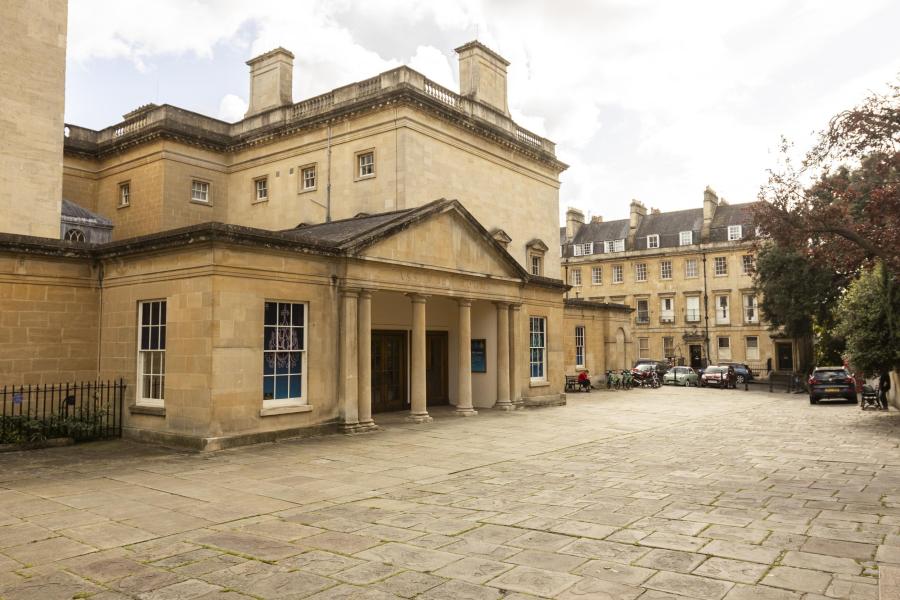
As part of restoration work at the National Trust's Bath Assembly Rooms, archaeological investigations overseen by Wessex Archaeology have uncovered a fascinating collection of objects hidden beneath the building, which first opened in 1771. From beauty products and wig curlers to wine bottles and tobacco pipes, these discoveries offer an intimate glimpse into the lives of the fashionable visitors who flocked to one of Jane Austen's favourite ballrooms during the 18th and 19th centuries.
Together, the finds reveal the human stories of beauty, status, dining and entertainment in one of Britain's most celebrated social venues.
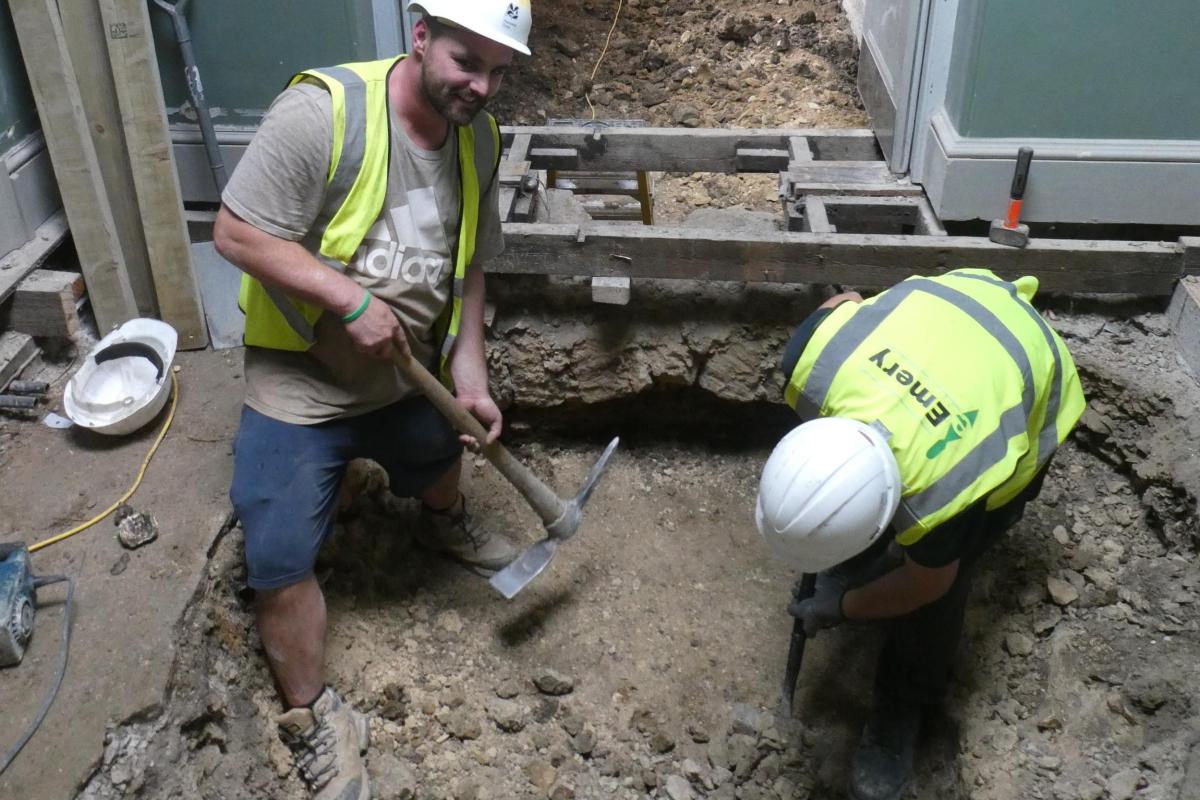
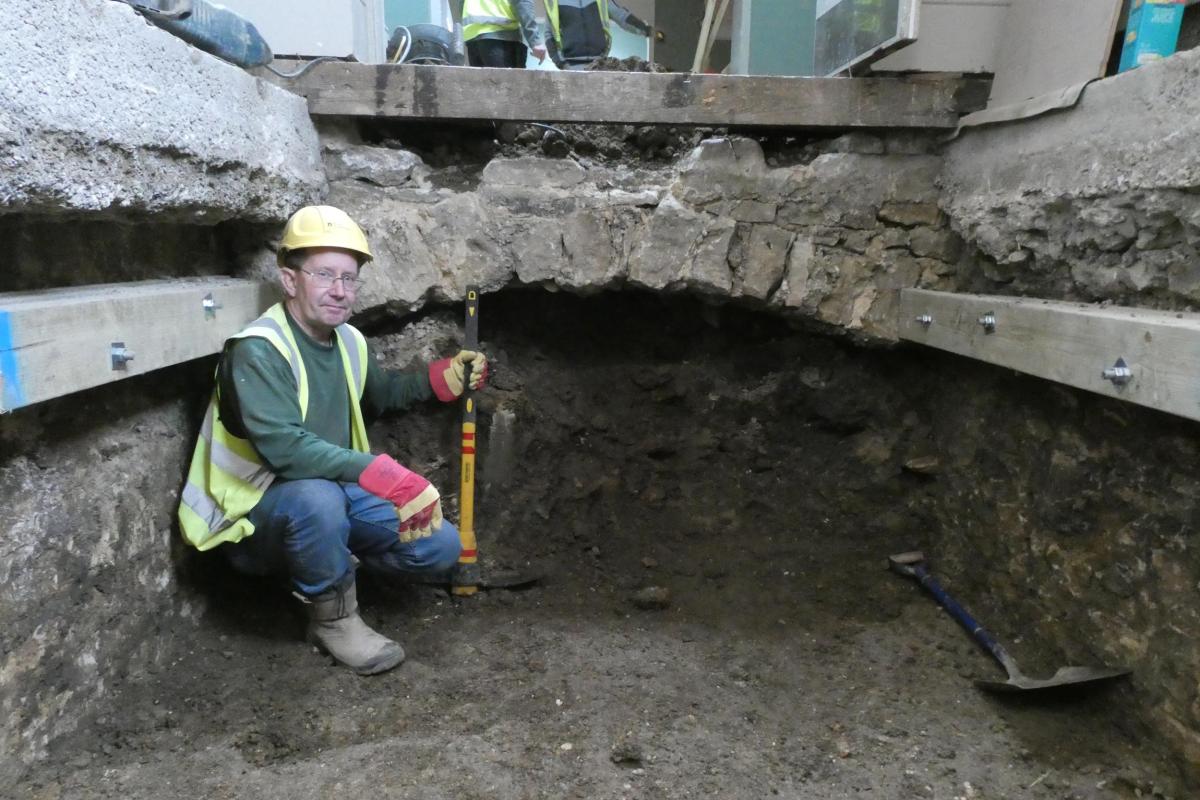
Images © Wessex Archaeology
Tatjana LeBoff, National Trust’s Project Curator for Bath Assembly Rooms, said: "These discoveries remind us that Bath Assembly Rooms was never just a beautiful building - it was a place filled with people. Behind every object is a human story: someone preparing for a glittering evening, sharing food and drink with friends, or perhaps accidentally leaving something behind more than two centuries ago.
"As we restore the Assembly Rooms and create a new Georgian ball experience, these finds help us connect visitors not only with the history of the building, but with the lives of the generations who danced, dined and celebrated here. We're delighted that these remarkable discoveries will help bring the story of Bath Assembly Rooms to life for local communities and future visitors alike."
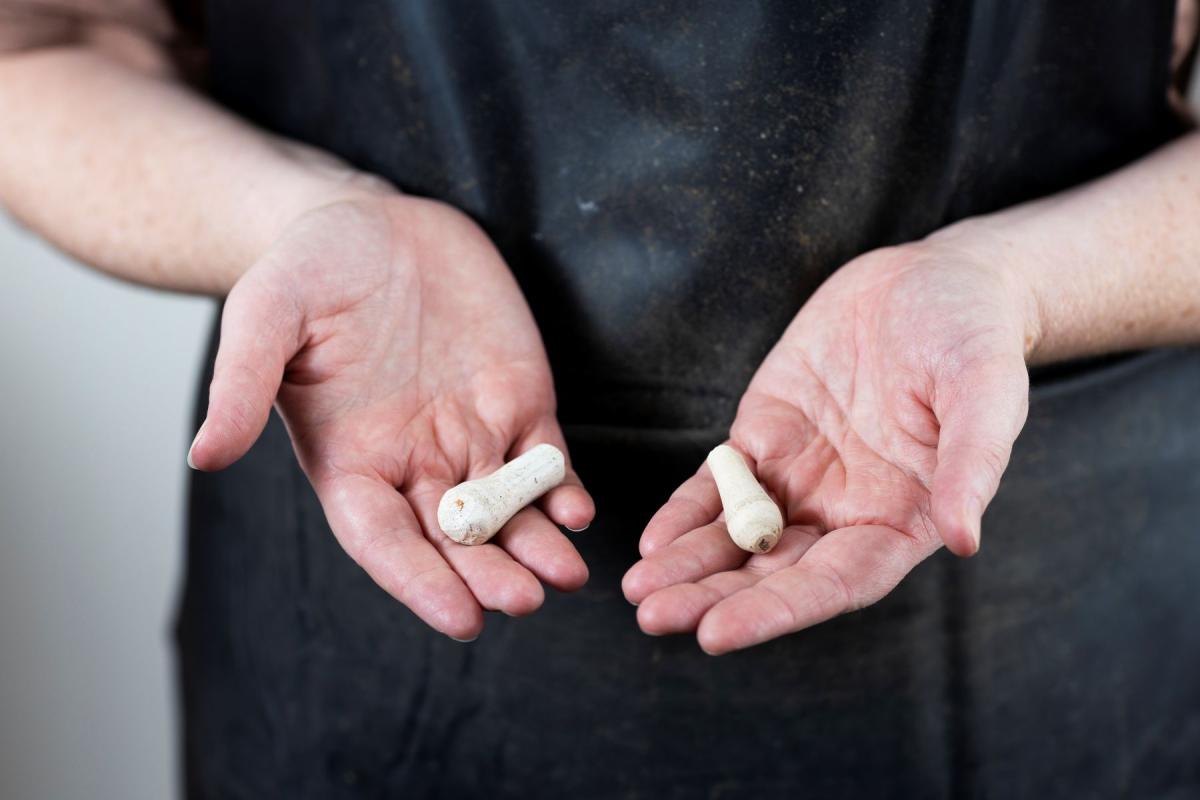
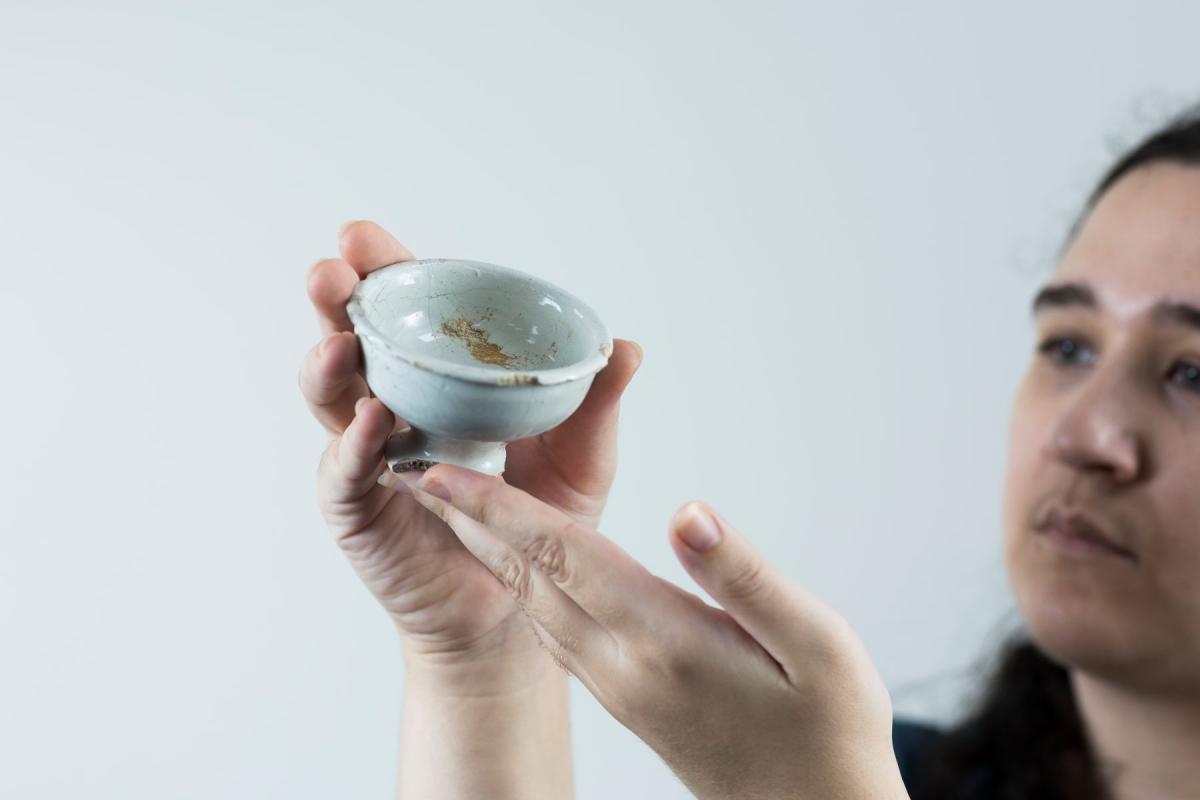
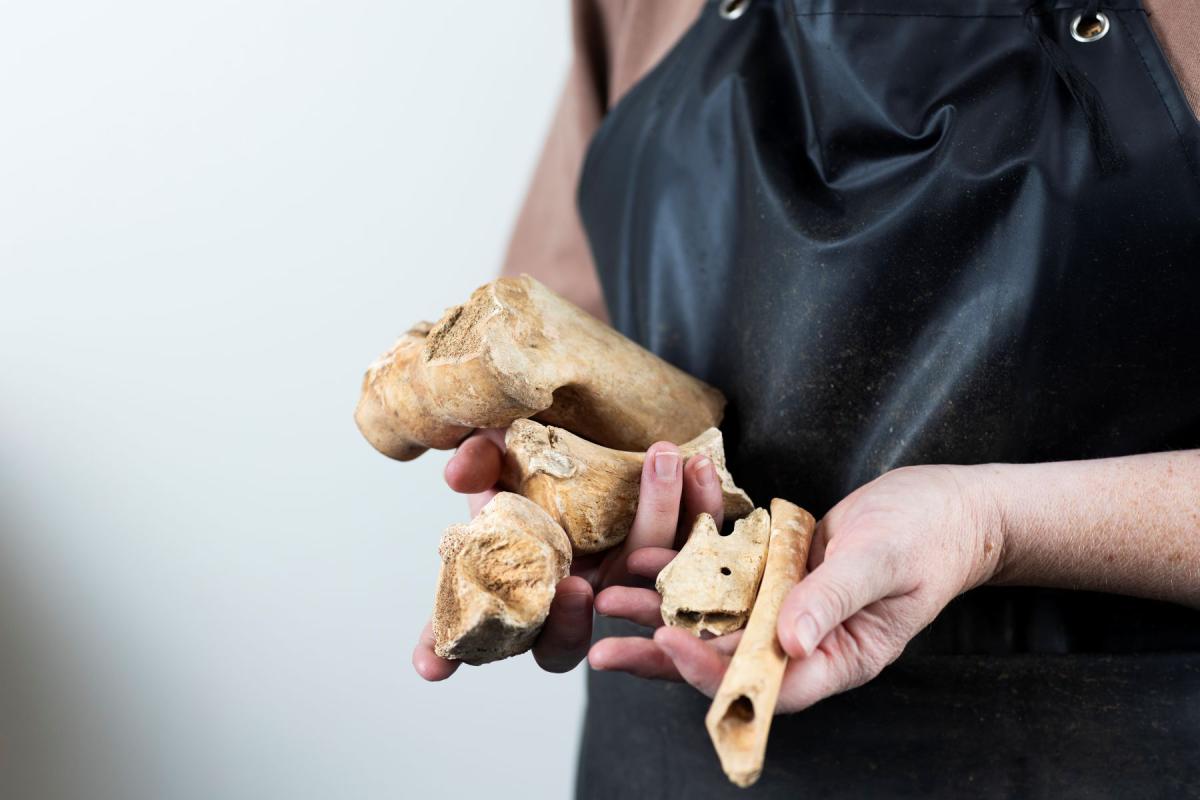
Images © National Trust
Marek Lewcun, from Wessex Archaeology, said: “It was a privilege to have found so many fascinating objects and through them to be able to help the National Trust present what life was like at the Assembly Rooms. A visit in Georgian times would have involved a lot of preparation, and hair curlers such as the ones we found would have played an important role in making sure their fashionable wigs were at their best.
“Snuff taking and smoking were very popular in 18th century Bath, and many pipes bearing their makers’ marks were found during the excavations. Although smoking might have been frowned upon within the main building, the Coffee House and courtyard would have offered smokers a retreat from the hustle and bustle inside, very much like the smokers’ area that we find today.”
Our team is now in the process of transferring these finds to the National Trust for use in future displays, events and community activities. Bath Assembly Rooms will reopen to the public in 2027.