Archaeological fieldwork carried out by Wessex Archaeology during construction of Viking Link by National Grid, has revealed evidence of thousands of years of human activity across Lincolnshire, providing a unique insight into a part of the country that has seen few excavations of a similar scale.
The work took place along the UK onshore route of Viking Link, the 765km electricity interconnector between Great Britain and Denmark. Archaeological investigations were carried out across three landscapes - the Lincolnshire Marsh, the Lincolnshire Wolds, and the northern Fens - as part of the project’s wider construction programme.
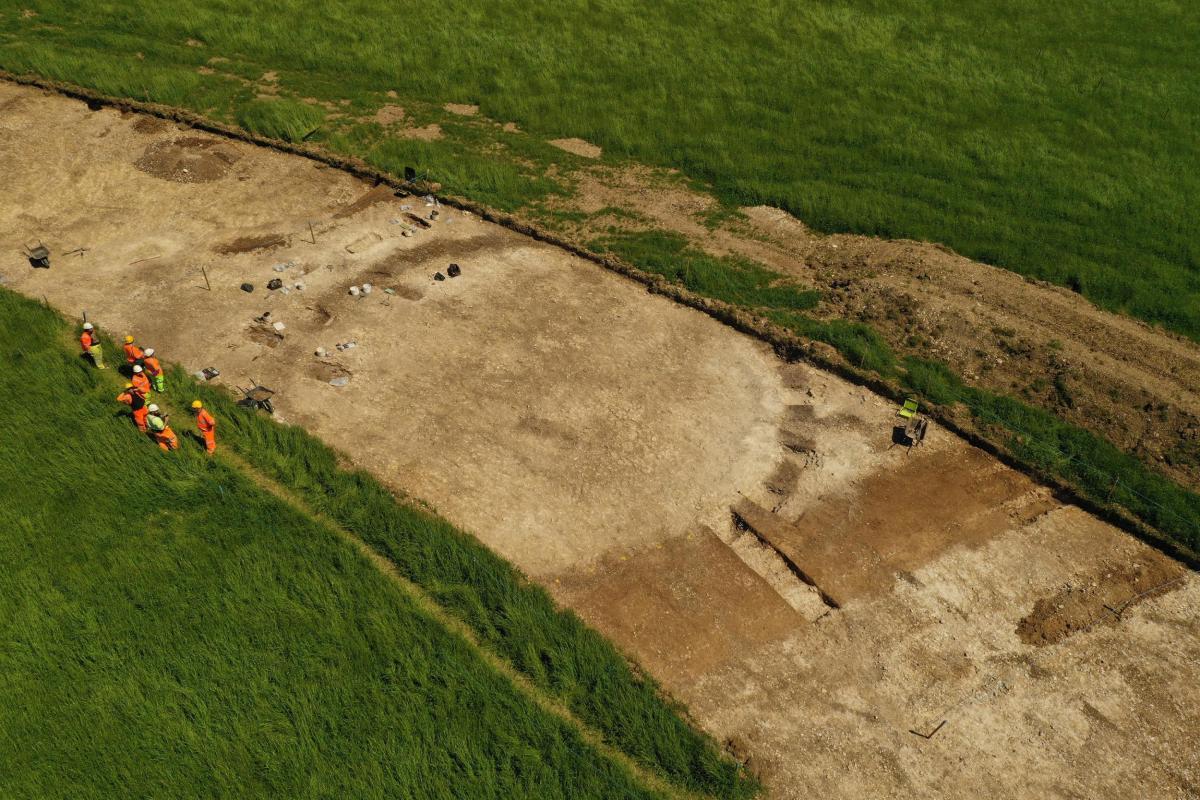
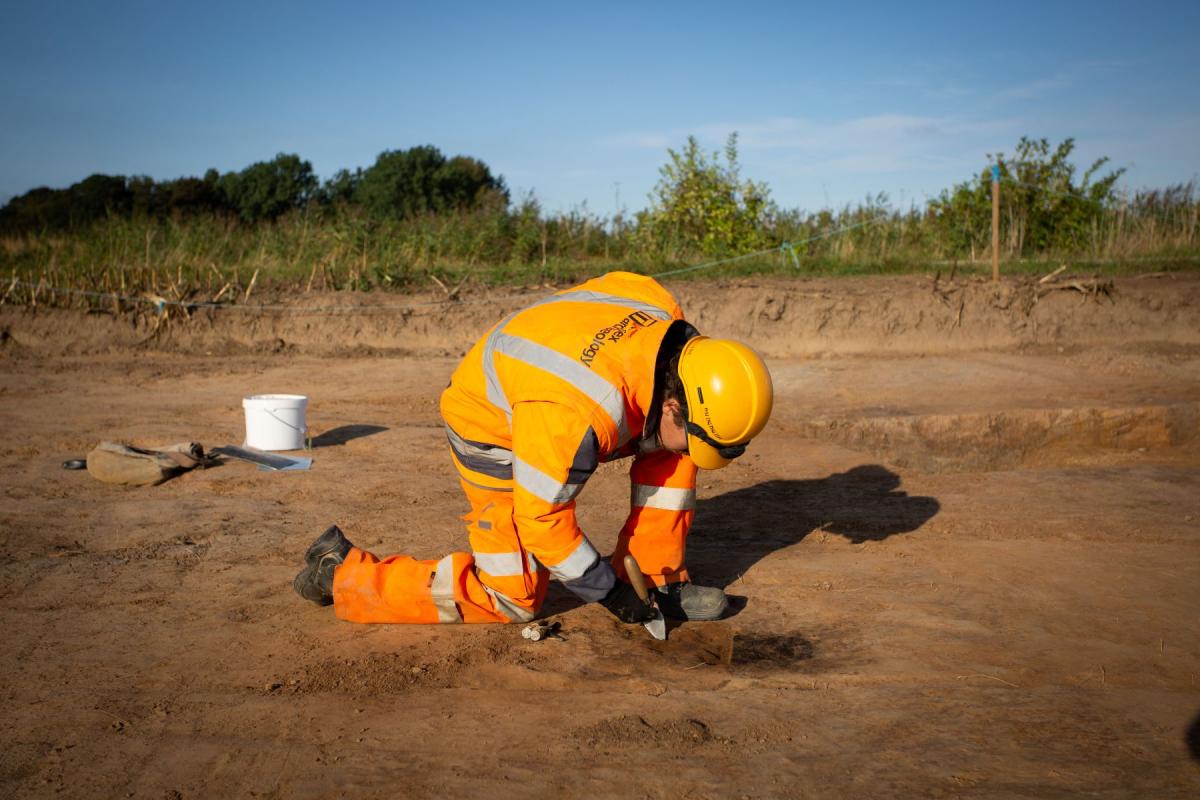
Archaeologists at work on site at Viking Link © Wessex Archaeology
From a total of 50 sites investigated, Wessex Archaeology and Network Archaeology Ltd found evidence for human activity from the Mesolithic period through to modern times, with signs of agriculture detected from the Early Neolithic period onwards. Many of the sites were previously unknown before work on the interconnector began.
Key findings, which are revealed in a new publication, Marsh, Wold and Fen: The Archaeology of the Viking Link Interconnector in South East Lincolnshire (Volumes 1 and 2), include:
- A previously unknown Anglo‑Saxon cemetery was uncovered with more than 20 burials with grave goods. This is a rare rural burial site that sheds light on early medieval life, dress, and social and economic connections.
- Evidence of very early farming was found including directly dated Neolithic cereal remains and later Roman‑period farming enclosures, showing the area was occupied and farmed over thousands of years.
- Large-scale salt production and local pottery manufacture from the Roman period were identified along the fen margin.
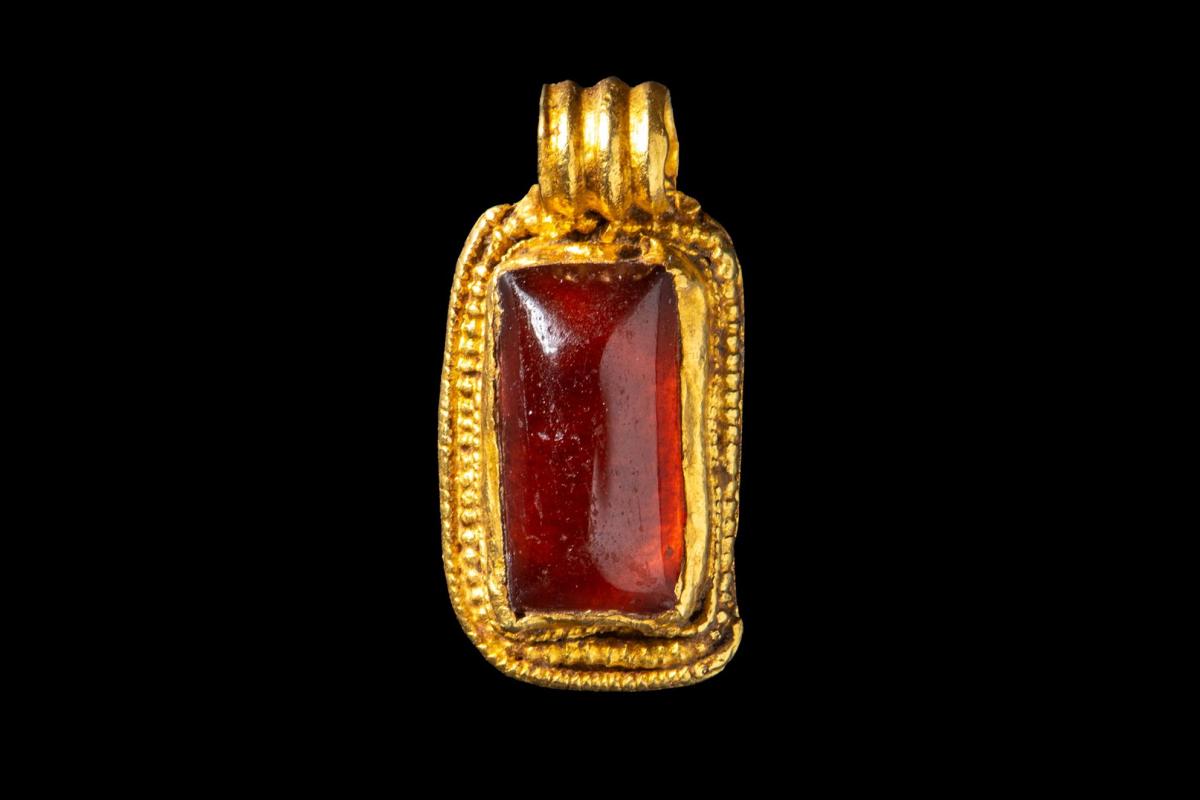
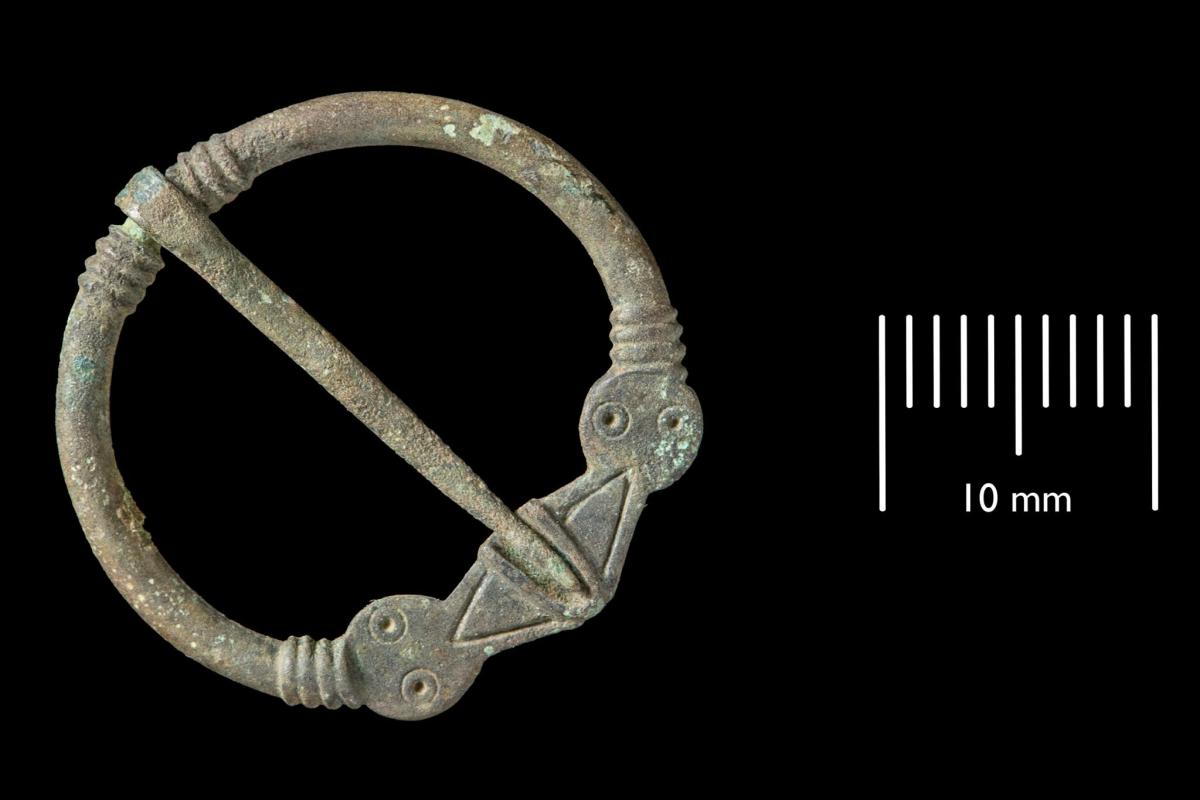
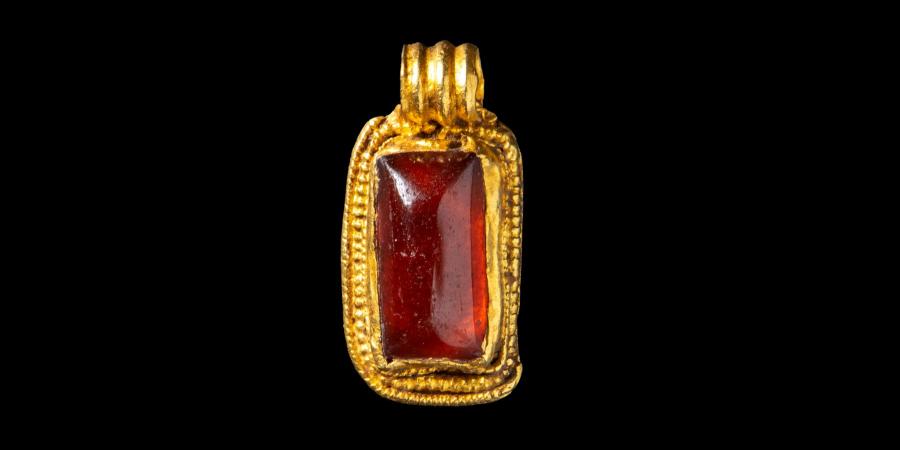
A garnet pendant and penannular brooch found during excavations © Wessex Archaeology
Together, the findings provide new insight into how communities lived, worked, and used the landscape over thousands of years. The archaeological programme was planned and delivered as part of the wider Viking Link project, with desk-based assessments, nearly 500 evaluation trenches, and 50 open-area excavations helping specialists identify, record, understand, and share findings about the archaeology along the cable route.
Rebecca Sedler, President - NGV UK, National Grid said:
“As the world’s longest subsea interconnector, Viking Link itself has made history, so it feels natural for its construction to have uncovered so much about the region it’s based in. Delivering projects of this scale requires careful consideration of the communities and landscapes we operate in, including protecting their history. I’m delighted that the archaeological work carried out along the Viking Link route has helped uncover and preserve so much important new evidence about Lincolnshire’s past, going back to prehistoric times.”
John Hirst, Site Director, Wessex Archaeology said:
"Viking Link was one of the great privileges of my archaeological career. Seeing the project progress from the fields of Lincolnshire to the pages of a publication is a reminder of archaeology's value in preserving and sharing the stories of people who came before us."
To download or purchase both volumes of Marsh, Wold and Fen: The Archaeology of the Viking Link Interconnector in South East Lincolnshire visit our free Open Library.