Website logo

Secondary menu

  • About
  • News
  • Team
  • Offices
  • Vacancies
  • Search

Main navigation

  • Services
  • Sectors
  • Our Work
  • Learning
  • Enquiries

Jump to content

28.04.2008

The Dolphin Hotel, Romsey


Read more
Pottery from the Michelmersh kiln site

28.04.2008

Michelmersh kiln site


The quiet little village of Michelmersh, near Romsey in Hampshire has an intriguing hidden history. No visible clues remain to show that it once produced pottery which was used as far afield as Wiltshire and West Sussex. Two pottery kilns have been found so far, one recently by Wessex Archaeology.
Read more

28.04.2008

19-20 Jewry Street Winchester


Read more
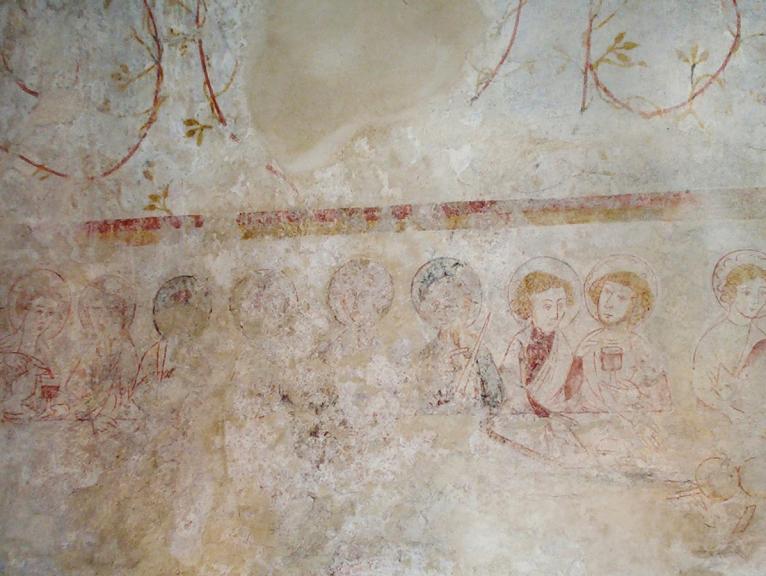
Wall plaster painting within Ste Apolline’s Chapel, Guernsey

28.04.2008

Ste Apolline’s Chapel, Guernsey


Read more
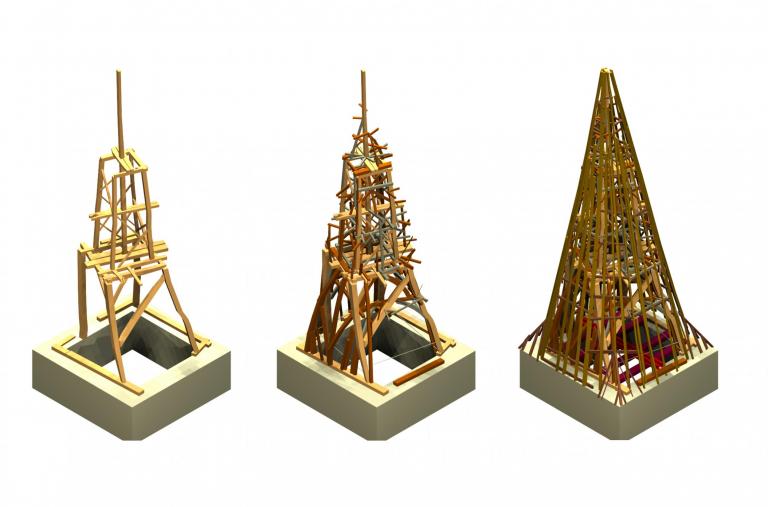
St Brannock’s Church, Braunton 3D model

04.04.2008

St Brannock’s Church, Braunton


One of Wessex Archaeology’s most unusual projects was to create a 3D model of the earliest timber-framed church spire in Britain.

Our archaeologists Bob Davis and David Warburton spent seven weeks surveying the Grade 1 Listed spire at St Brannock’s Church in Braunton near Barnstaple in Devon.
Read more
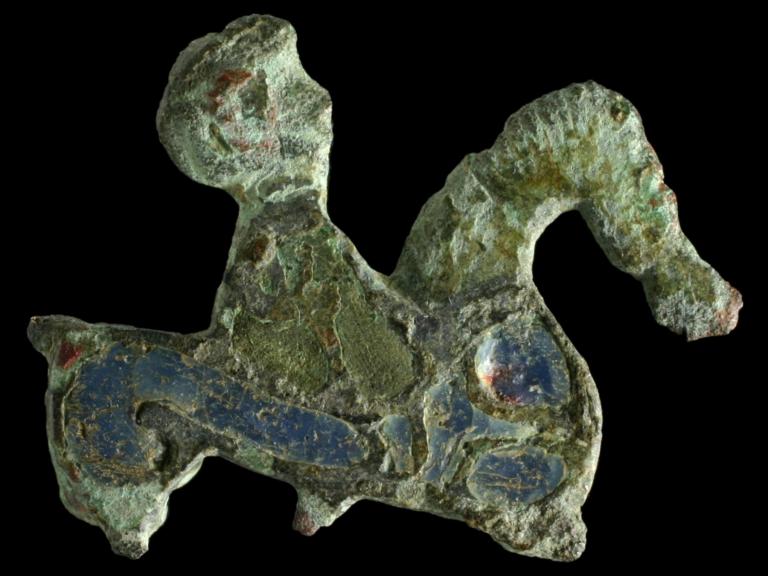
Roman enamel brooch from Cambourne

17.03.2008

Cambourne


Wessex Archaeology record of over 1,000 years of uninterrupted settlement has been discovered in a huge archaeological excavation across six square kilometres (almost two and a half square miles) near Cambridge.

A team of 35 archaeologists have worked on and off for seven years at the site at Cambourne, nine miles west of the city, in advance of the construction of a new settlement with 3,300 homes.

Read more
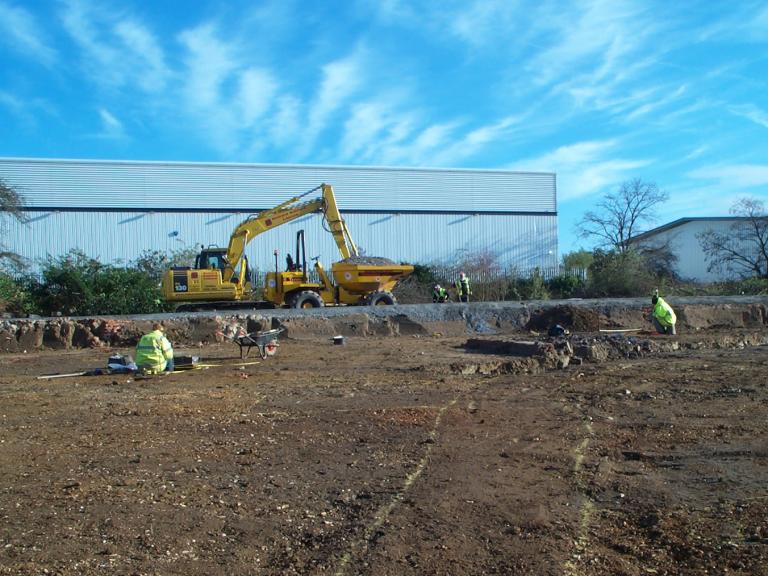
Archaeological excavation work at Renny Lodge Hospital

17.03.2008

Renny Lodge Hospital


Read more
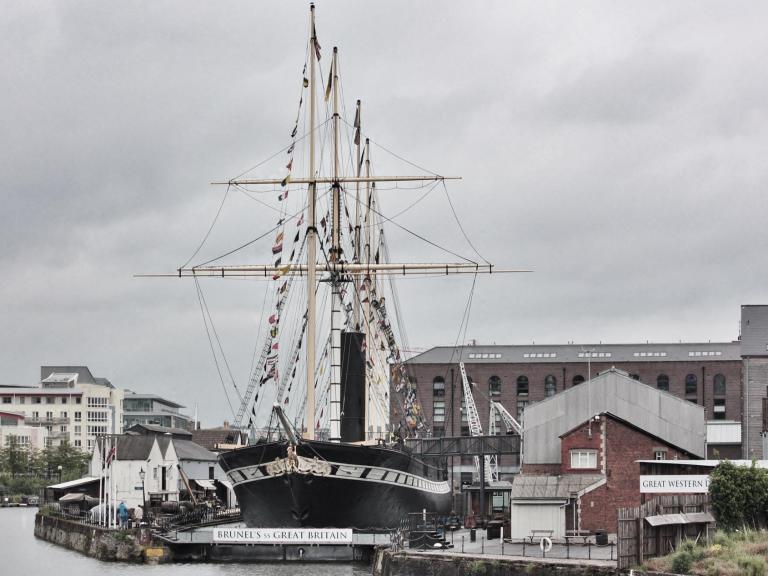
SS Greta Britain in dock

17.03.2008

ss Great Britain


Read more
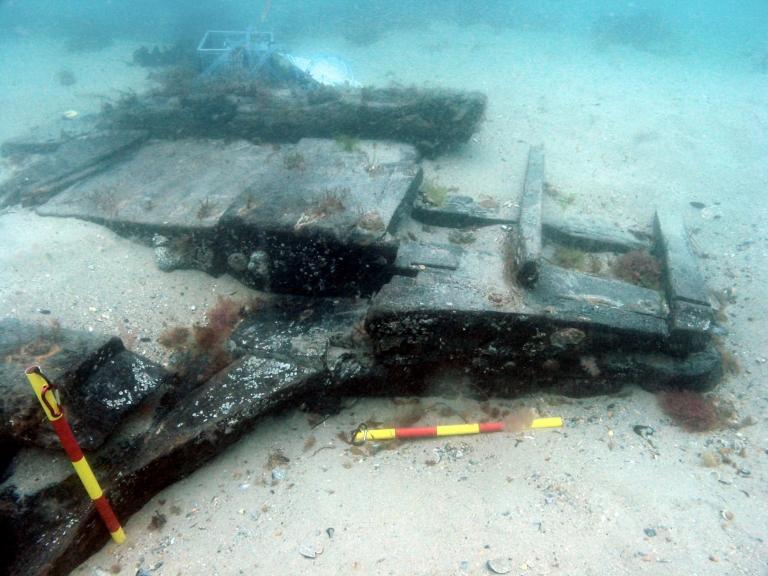
Swash Channel Wreck a section of the upper works

07.02.2008

Swash Channel Wreck


The Swash Channel wreck was discovered in 2004 during a geophysical survey by Wessex Archaeology in advance of dredging to deepen the approach to Poole Harbour. The wreck lies in approximately 6-9 metres of water with its long axis orientated north-east to south-west.
Read more
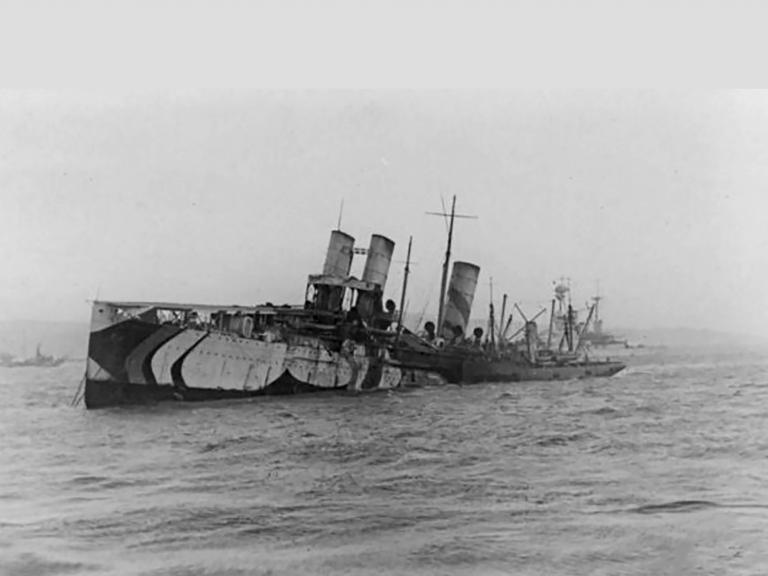
HMS Campania, Firth of Forth

17.10.2007

HMS Campania, Firth of Forth


Few ships can lay claim to a career as eventful as that of HMS Campania. The ship began life as one of Cunard's first great liners. Constructed by Fairfields at Govan, and launched in September 1892, at nearly 200m long and displacing 18,000 tons the Campania was an enormous ship by the standards of the time. Campania was the first Cunard ship to completely dispense with sail and have twin propeller shafts.
Read more

Pagination

  • First page ⇤
  • Previous page ←
  • …
  • Page 21
  • Page 22
  • Page 23
  • Page 24
  • Current page 25
  • Page 26
  • Next page →
  • Last page ⇥

Footer

  • Explore
    • Our Work
    • Services
    • Sectors
    • Team
    • Events
    • Terms of use
    • Archaeology FAQ
    • WA Open Library
  • Company
    • Registered Charity
    • Accreditations
    • Sustainability
    • Privacy Policy
    • Gender Pay Gap
    • Quality
    • H&S
  • Social
    • Facebook
    • Instagram
    • LinkedIn
    • Youtube
    • TikTok
    • Flickr
    • Sketchfab
    • ArtStation
  • Contact Us
    • General Enquiries
    • Our Offices
    • Press
    • Complaints
Website logo

All content © Wessex Archaeology unless otherwise stated.

Wessex Archaeology Ltd is a company limited by guarantee registered in England, No. 1712772 and is a Registered Charity in England and Wales, No. 287786; and in Scotland, Scottish Charity No. SC042630.

A Microserve website powered by Drupal.

Jump to top