
Archaeological Guidance for Offshore Renewables
The Crown Estate owns approximately half the UK foreshore and nearly the entire seabed out to the 12 nautical mile limit, and has the rights to License areas up to 200 nautical miles offshore for renewable energy. During offshore development in the renewable energy industry there is a high Likelihood of encountering unexpected archaeological remains. Activities associated with renewable energy such as: placement of turbines, cable laying, geophysical surveys and seabed sampling and other actions have the potential to impact on the historic environment.
In 2007, Wessex Archaeology produced Historic Environment Guidance for the Offshore Renewable Energy Sector for COWRIE Ltd. This guidance provides an overview of the offshore development process – from Scoping through to mitigation, and is intended for use by the offshore renewable energy sector, environmental consultants, archaeological consultants and contractors, regulatory authorities, national and local curators, and the wider public.

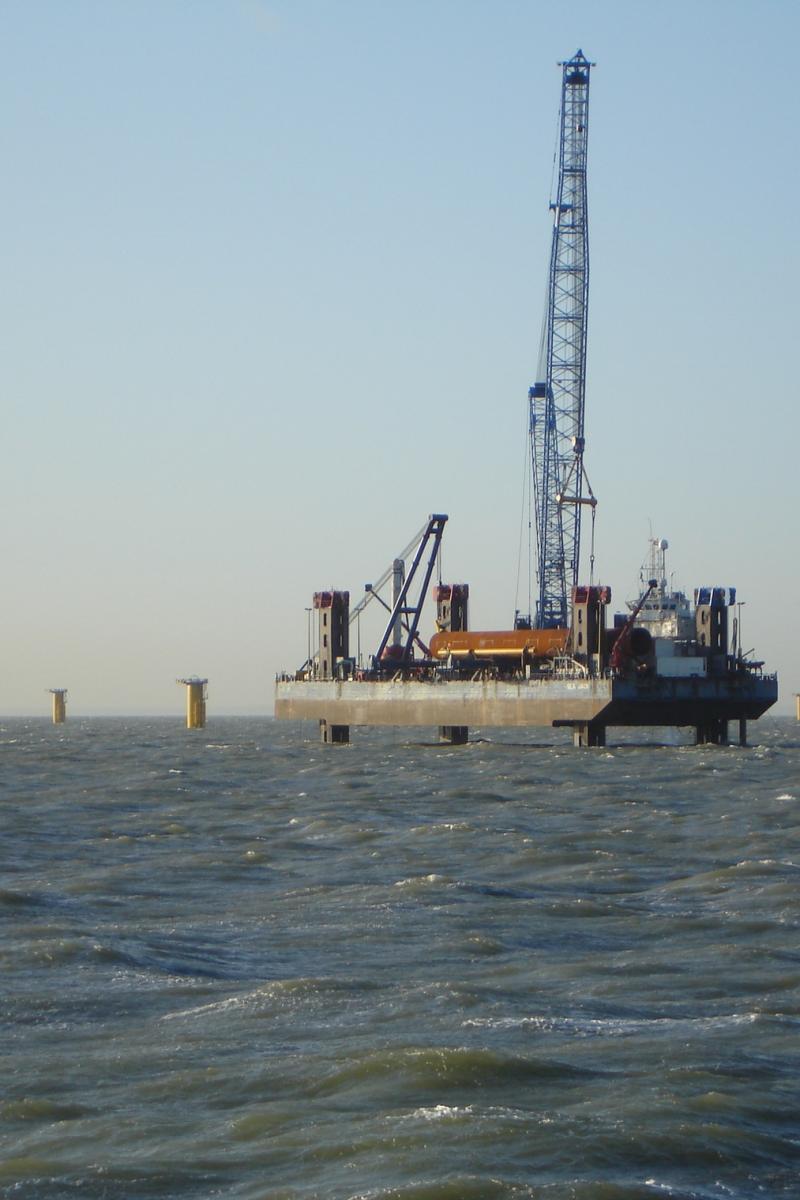
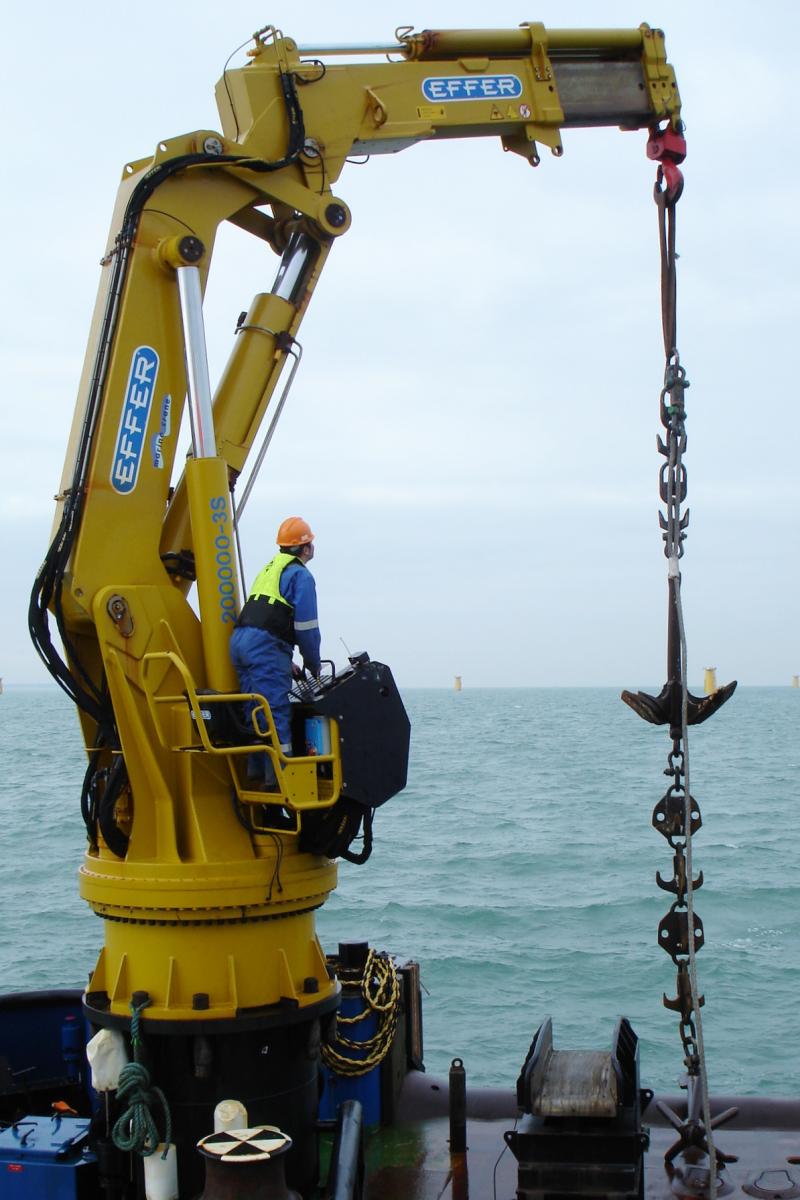
The guidance introduces the importance of the marine historic environment, and how to understand it by developing a baseline – including desk-based assessment and archaeological assessment of geophysical and geotechnical data. The guidance also sets out potential impacts from the development process, and identifies frameworks for mitigation.
The mitigation recommendations included a Protocol for Archaeological Discoveries, and in 2010, The Crown Estate commissioned Wessex Archaeology to produce the Protocol for Archaeological Discoveries: Offshore Renewables Projects. The Protocol was then updated in 2014.
The aim of the Protocol for Archaeological Discoveries (PAD) is was to provide a system for reporting and investigating unexpected archaeological discoveries encountered during site investigation, construction and installation work.
Although the Offshore Renewables Protocol Implementation Service is no longer in operation, the Protocol document can still serve as a basis for bespoke Protocols for individual offshore renewables projects.
In 2021, The Crown Estate asked Wessex Archaeology to produce guidance on Archaeological Written Schemes of Investigation for Offshore Wind Farm Projects. The Written Scheme of Investigation (WSI) forms an umbrella document for all archaeological survey, investigation and assessment required for an offshore wind farm project. Each project needs a bespoke offshore WSI, to provide details about proposed and agreed mitigation measures, and this guidance provides a framework for the development of the WSI. The implementation of the project specific WSI then enables developers to manage archaeological mitigation, and to meet and discharge licence conditions.
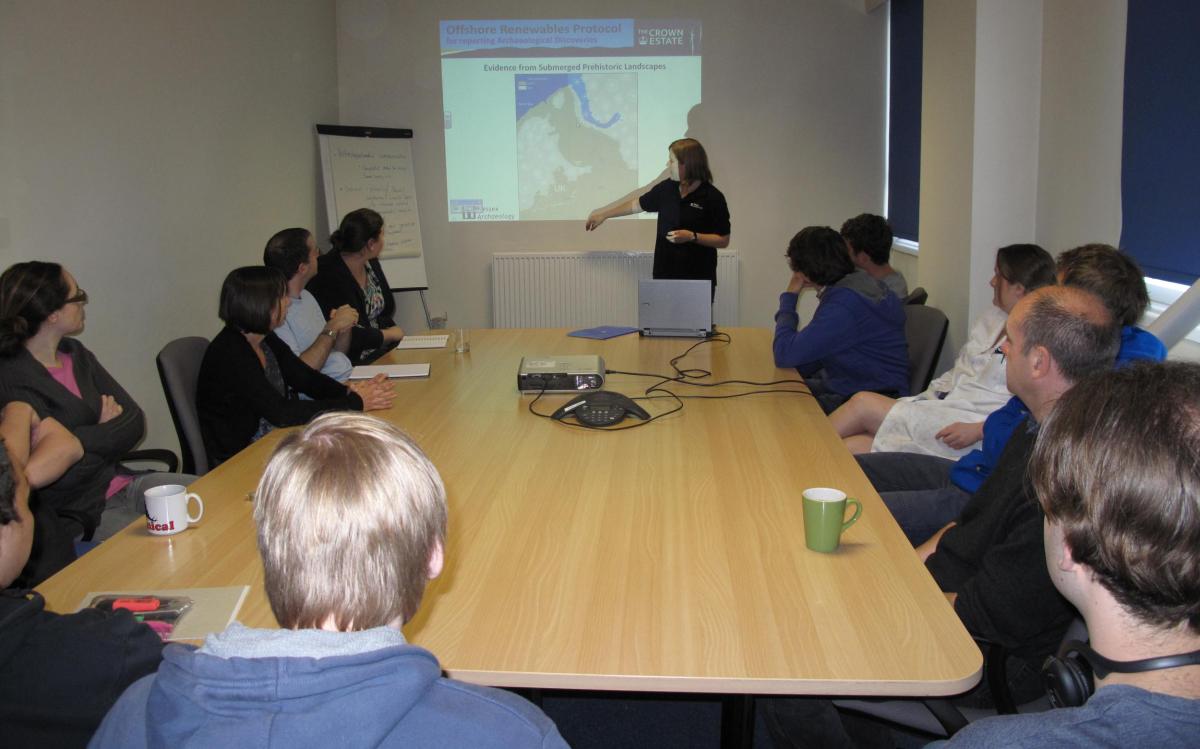
Download documents and previous Annual reviews (no longer produced) for the Offshore Renewables Protocol for Archaeological Discoveries project below.
Downloads
Offshore Renewables Guidance 2014 ORPAD guidance document Poster Flint Identification Guide 1: Geophysical Survey Guide 2: Benthic Ecology Survey Guide 3: Grapnel Surveys and Obstruction Clearance Guide 4: Offshore Construction and Cable Laying Guide 5: Inter-tidal Cable Laying Guide 6: Onshore Work Guide 7: ROV and diving Handouts Annual Report 2011-2012 Annual Report 2012-2013 Annual Report 2013-2014Downloads
Newsletter 8 Newsletter 7 Newsletter 6 Newsletter 5 Newsletter 4 Newsletter 3 Newsletter 2 Newsletter 1Newsletters are no longer produced following the review of the ORPAD project in 2014.

Get in touch
Contact Toby Gane, Senior Project Manager