Stonehenge - New light shed on Prehistoric chalk plaques

Four rare Late Neolithic chalk plaques from the Stonehenge region have been subjected to non-invasive Reflectance Transformation Imaging (RTI) technology in a new study by experts from Wessex Archaeology, which has shed light on previously unseen artistic elements used during the ‘golden age’ of Neolithic chalk art.  

The plaques are considered by archaeologists to be among the most spectacular examples of Prehistoric engraved chalk in Britain. Discovered between 1968 and 2017 within 5km of one another in a cluster around Stonehenge, they have been the subject of extensive study – most notably Plaques 1 and 2 found during the A303 road-widening in the Chalk Plaque Pit in 1968.
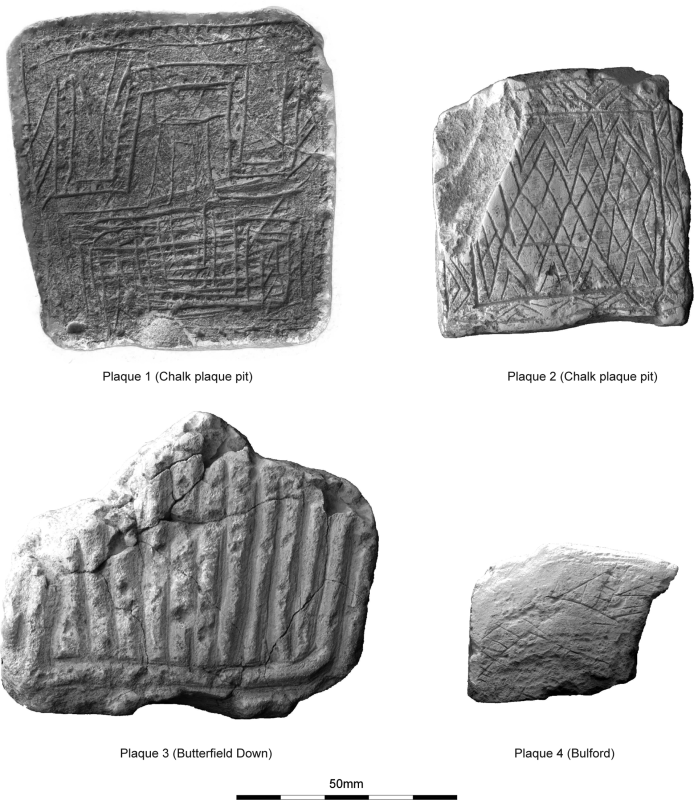
Upper faces of all plaques

Above: Upper faces of all plaques


Bob Davis, formerly Senior Project Officer at Wessex Archaeology and principal author of the study, said: 

“The Chalk Plaque Pit, discovered in 1968, was one of the most important discoveries of Late Neolithic chalk art in Britain, and over the last five decades we have seen additional plaques discovered from the Stonehenge region which have aided the study. Previously, the chalk plaques were documented using hand-drawn illustrations and were difficult to reconstruct due to erosion. However, the advancement of revolutionary technology has made it possible to understand previously unseen features of the plaques, which help us to understand the creative process of these Prehistoric artists.”  

Experts from Wessex Archaeology carried out the new RTI study to review the plaques’ manufacture, origins and artistic influences. RTI is a photographic method that captures a subject’s shape and colour to reveal surface information invisible under normal examination. Images are created from multiple photographs of a subject, where each shot is taken with light projected from a different direction to produce varying highlights and shadows. Wessex Archaeology uses RTI for detailed analysis of delicate objects requiring little or no handling, assisting in their conservation. 

The RTI highlighted a range of artistic abilities in the predominately geometric designs on each plaque, demonstrating not only deliberate, staged composition, execution and detail, but also providing an insight into the inspiration of the Neolithic artists. In one instance, it is possible to suggest that the designs were not abstract but, rather, drew on objects known to the artist in the real world.
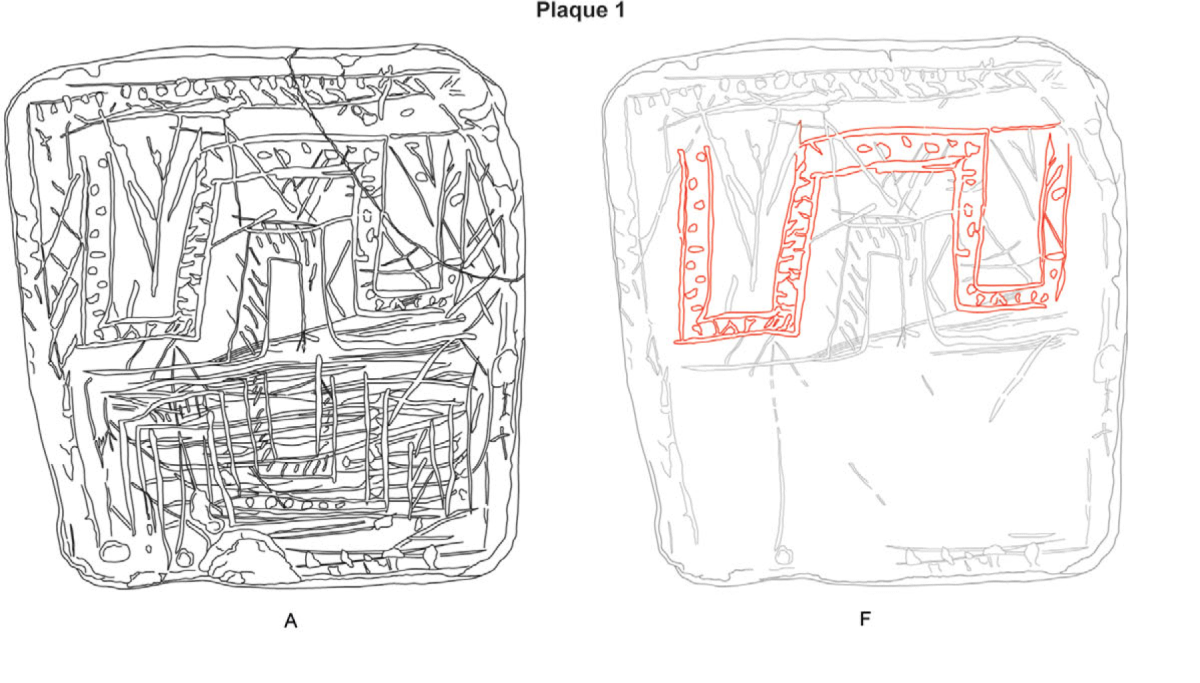
RTI scan of Plaque 1 - carving appears to be a representation of twisted cord - an object likely known to the artists in the real world. 

Above: RTI scan of carvings on Plaque 1 from the Chalk Plaque Pit. The carving appears to be a representation of twisted cord (right) - an object likely known to the artists in the real world.


Dr Matt Leivers, A303 Consultant Archaeologist at Wessex Archaeology who also co-authored the new study, said: 

“One of the most interesting results of this new study is the way in which the application of modern technology to ancient artefacts has allowed us not only a better understanding of the working methods of the Neolithic artists, but also a rare glimpse into their motivations and mindsets.” 

The study has hinted that the adoption of these artistic styles may have been integrated into elements of existing Middle Neolithic culture. Engraved chalk objects can be traced throughout the Neolithic period; however, the concentration of this distinctive composition during the Late Neolithic period may mark it as a truly golden age for the manufacture of chalk art in Britain.  
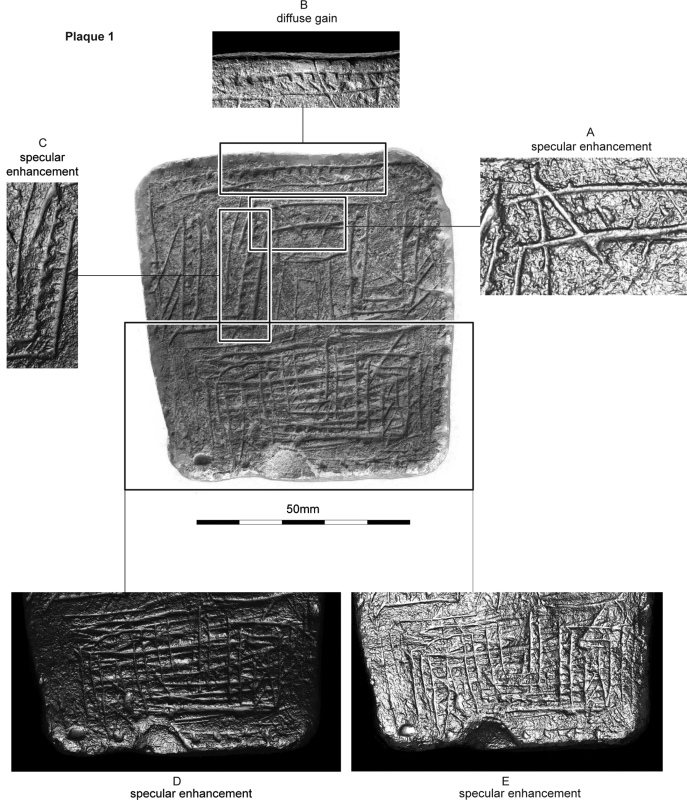
 

Plaque 1 upper face showing details and features under RTI

Above: Plaque 1 upper face showing details and features under RTI 


Dr Phil Harding, Archaeologist at Wessex Archaeology who also co-authored the new study 

and examined these unique plaques in 1988 before accurate radiocarbon or technological methods were available, said:

“Chalk has provided an attractive material for engraving for countless generations. It offers surfaces that can be smoothed, allowing designs to be sketched, reworked, altered or erased accordingly. Engraved chalk plaques were an important cultural marker in the Neolithic period. Utilising the advancement of photographic techniques, it is possible to suggest that Neolithic artists used objects known to them in the real world as inspiration for their artistic expression, for example, in the representation of twisted cord which formed part of the design on Plaque 1.” 
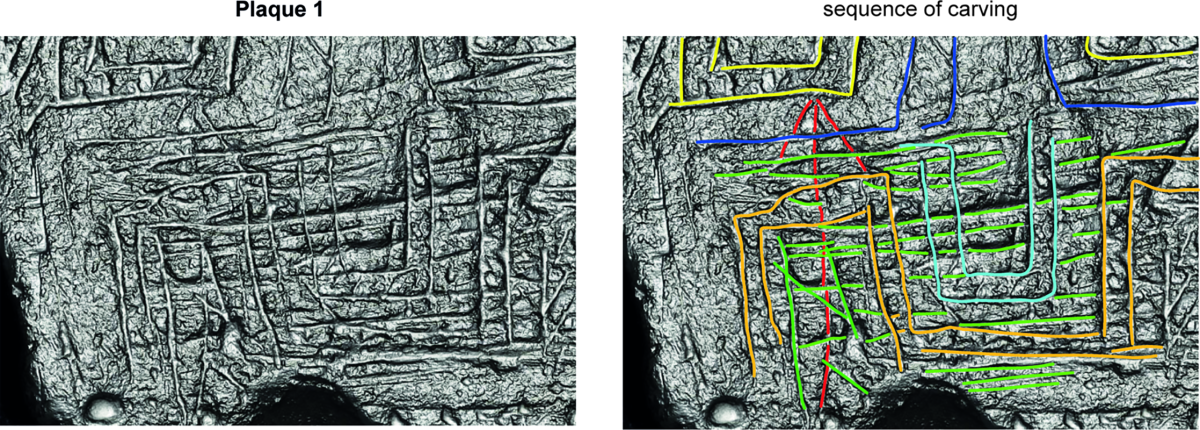
Lower part of Plaque 1 showing (left) raw data under specular enhancement mode with the order of each engraving

Above: Lower part of Plaque 1 showing (left) raw data under specular enhancement mode with (right) the engraved sequence highlighted in order of red, dark blue, yellow, green, light blue and orange.
 

Access the full research paper for free in Proceedings of the Prehistoric Society.

A303 Stonehenge evaluation works uncover glimpses of prehistoric life

Archaeologists undertaking preliminary evaluations across the planned A303 Amesbury to Berwick Down Scheme sites have revealed Neolithic burials, a Bronze Age ’C’-shaped enclosure and ancient tools and pottery.   

Wessex Archaeology’s investigations uncovered evidence of human activity dating back over 7000 years. Evaluation work has been unprecedented in recognition of the significance of the World Heritage Site. The work has been monitored on site by Wiltshire Council Archaeology Service and other members of the A303 Heritage Monitoring and Advisory Group.

The scale of the evaluation works includes: 

  • 462 ha of new gradiometer survey of the scheme corridor in four phases
  • 23 ha of targeted ground penetrating radar survey
  • 20 ha of multichannel ground penetrating radar survey (western portal approach)
  • 1,777 topsoil test pits hand-excavated and sieved 
  • 440 trial trenches excavated and recorded
Shale object from Beaker burial

A small object made of shale – found in the grave of a female in her twenties or early thirties – has intrigued archaeologists. The burial dates to the Beaker period, around 4,500 years ago, when new types of pottery and other objects appear in Britain. This period also saw the building of some of the bluestone circles at Stonehenge.

Dr Matt Leivers, A303 Consultant Archaeologist at Wessex Archaeology, says:

“It’s a unique object: we have never seen one before. Although not hugely significant, we can only speculate about what it was – it may have been a ceremonial cup purposefully damaged before it was laid in the grave, or it may be the cap off the end of a staff or club.”

Female beaker burial

Nearby pits from the same period were found to contain other traces of human activity, including fragments of pottery, worked flint for tools, and animal bones. Archaeologists also also discovered tiny ear bones from a young infant in one of the pits, buried alongside a plain Beaker.

Elsewhere, a ‘C’-shaped enclosure dating to the late Bronze Age is thought to have been an area for industrial working, due to the density of burned flint contained in the soil around it.

These preliminary investigations have offered us the opportunity to understand more about this landscape, and delve into the lives of those that have lived within it over thousands of years,” explains Matt. “What we’ve found are some small traces and intimate details of these people. It’s not going to change our understanding of this place, but it can help us add detail and build on the picture we already have.”

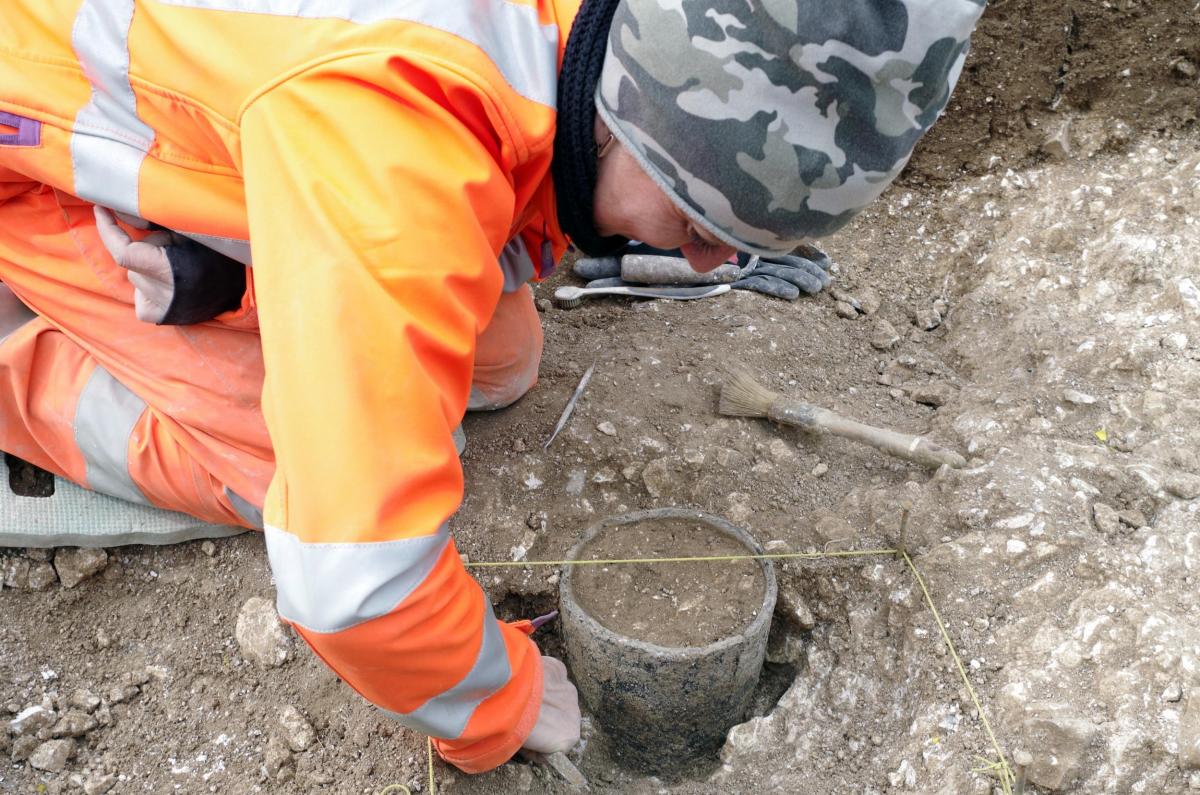
Excavating a Bronze Age vessel

The investigations have informed the main archaeological fieldwork, due to begin on site in late spring this year. The main phase of fieldwork will involve around 100-150 archaeologists and last approximately 18 months ahead of construction starting on site in 2023.

Andy Crockett, A303 Project Director at Wessex Archaeology says:

“We’ve done a huge amount of initial work which has been extremely thorough – more so than any site I’ve worked on in my 40-year career – reflecting the sensitivity of this site. We now have a very clear idea of what we expect to find in the upcoming main fieldworks. Everything we find will be processed, conserved and analysed by the specialists in our Research department. We’ll also be drawing on the expertise of our partners in the archaeological sector, so that we make sure that the best possible outcomes are achieved for the archaeology.”

Ultimately, all finds will be delivered to Salisbury Museum to be displayed to the public.

David Bullock, A303 Project Manager, Highways England, says:

“It is a scheme objective to conserve and enhance the World Heritage Site and this is being achieved through close collaborative working with heritage groups, the independent A303 Scientific Committee, and our archaeology contractors Wessex Archaeology, who have an extensive track record of work in connection with the Stonehenge landscape.

“The route itself has been designed to ensure there are no direct impacts on scheduled monuments and the amount of archaeological survey and mitigation work is unprecedented because, in recognition of the significance of the WHS, the surveys are over and above what would have usually been done at this stage of a highway project.

“As part of the extensive archaeological surveys to date, we have uncovered some interesting but not unexpected finds, and we are now preparing plans with Wessex to start further archaeological excavation work later this year. This will be monitored on site by Wiltshire Council Archaeology Service, and members of the independent A303 Scientific Committee and A303 Heritage Monitoring and Advisory Group.”


Local businesses urged to get involved in A303 Stonehenge scheme

Together with Highways England, Wessex Archaeology is urging smaller companies to play their part in the A303 Stonehenge upgrade.

The scheme past Stonehenge was last month given the green light by the Secretary of State for Transport, and as well as the wider economic benefits, the project could be just the job in terms of providing opportunities for small and medium-sized enterprises locally, regionally and further afield.

According to an independent economic assessment commissioned by local authorities and the Heart of the South West Local Enterprise Partnership, and validated by the Department for Transport, improving the A303 corridor will help to create 21,000 jobs and deliver a £39 billion boost in the long term.

David Bullock, Highways England Project Manager for the A303 Stonehenge scheme, said: 

“The scheme has numerous benefits, not only in improving journey reliability and enhancing the World Heritage Site landscape, but also in unlocking economic growth in the South West.

“The scheme is not just limited to larger, national and international companies, and we’re keen for local and regional businesses to get the chance to work with the project.

“With our archaeology specialists and preliminary works contractors expected to start on site in late spring next year, there’s going to be some opportunities with those companies within the next six months or so. But there will be greater potential when our main contractor is appointed later in 2021, and we’d urge businesses to get in touch now, so we can start to help them prepare.”

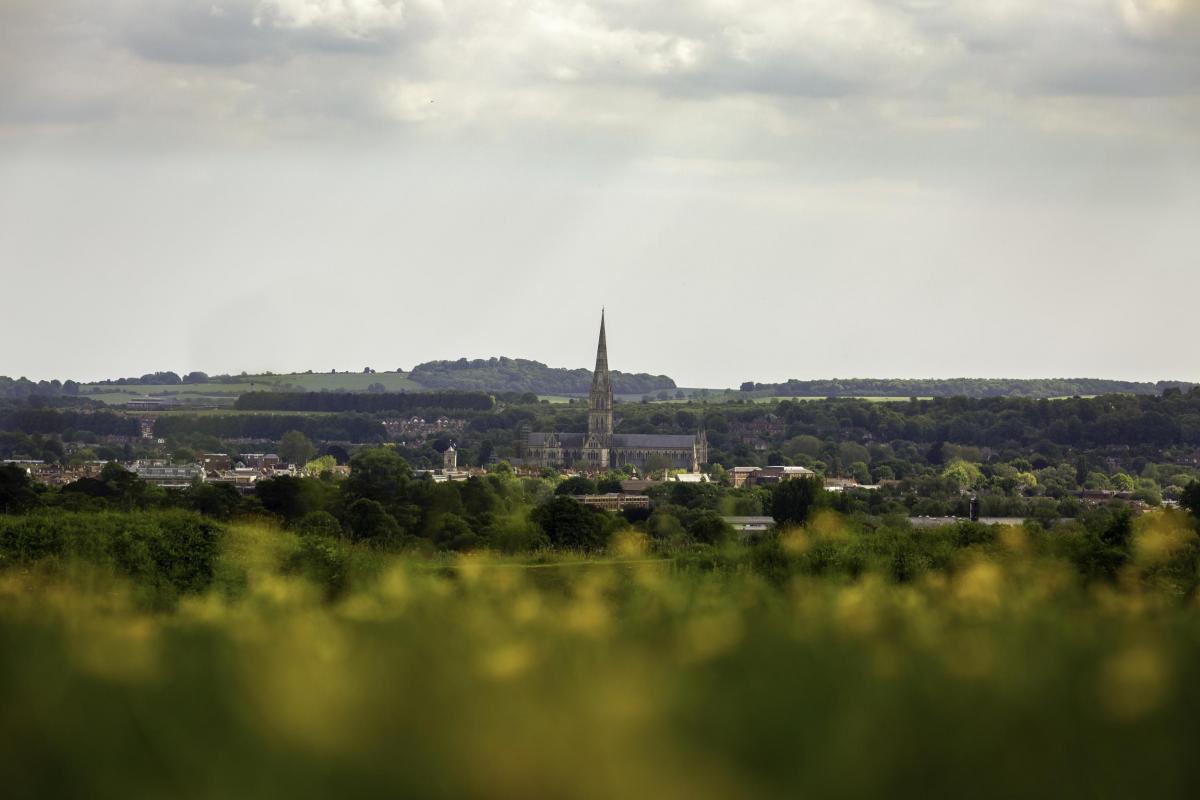
Salisbury

Highways England has also partnered nationally with the Supply Chain Sustainability School to provide free online training. This helps smaller companies to upskill and place them in a better position to tender for work on larger infrastructure projects, such as the A303 Stonehenge upgrade.

Through its procurement process, Wessex Archaeology will require its own supply chain, which provides opportunities for sub-contractors and sub-consultants to bid for work and become part of the extended supply chain.

In the next six months, the types of services and people required will include plant, fencing, track matting, catering, cleaning, accommodation and hospitality.

Wessex Archaeology A303 Project Director, Andy Crockett, said:

“As a local company, we’re very keen to see the wider economic benefits of the scheme realised by our business community in Wiltshire. We already have strong links with businesses here, who form an intrinsic part of our supply chain. However, such a large-scale scheme will offer the opportunity to expand this and we’re encouraging all relevant businesses to apply for this scheme and gain the opportunity to expand and upskill.”

We will also be attending a Meet The Buyer event hosted by Highways England early in the new year, and this will help to outline the business opportunities and the training available via the Supply Chain Sustainability School, including topics such as Business Ethics, Waste Resource, Sustainable Procurement and Equality Diversion Inclusion.

In the meantime, any companies interested in working on the A303 Stonehenge project are asked to register their details here. Information will then be passed to the relevant contractors.

Paddy Bradley, Swindon and Wiltshire LEP Chief Executive, said: 

“These businesses are at the core of our economy and their engagement with the supply chain activity associated with this major infrastructure project is exactly what they need. 

“We want small businesses in our area to gain these contracts as strong and resilient enterprises create employment and security for families in our area.”

Ruth Lambert, Development Manager for the Federation of Small Businesses in Wiltshire, said:

“This initiative to raise awareness of opportunities from the A303 scheme is a great idea and we will certainly be doing our bit to spread the word.

“We’d encourage small business owners across the county to think about how they might be able to get involved and benefit from the economic opportunities the project offers for our area.”

For more details and updates on the A303 Stonehenge scheme, people can log on to the scheme website, and for any further queries, companies can email info@a303stonehenge.co.uk

The A303 scheme: An opportunity for the UK’s commercial archaeology sector

The Secretary of State for Transport announced yesterday the decision to grant consent to the A303 development. We’re excited to be part of this project; our comprehensive programme of archaeological works will allow us to understand more about this special landscape and share what we find with local communities and the wider public.

The A303 upgrade also represents an exciting and unprecedented opportunity for close collaboration within the commercial archaeology and environmental management sector to produce an outstanding programme of work – and change the way our industry co-operates in the future. 

We are very proud of the fact we have been recognised by Highways England as a sector leader able to carry out this work. The Stonehenge landscape is home ground for Wessex Archaeology, and we are the best-placed team of specialists to manage major archaeological works in this special place.

Our ability to carry out our ambitious programme of work is only made possible with the partnership and support of a number of our colleagues across the sector. We will be working together with some of the best minds in the business to draw on wide-ranging, world-class expertise, learn from one another, and share best practice and resources. This will require the involvement of experts in fieldwork, specialist areas of study and research, environmental archaeology and ecology, as well as engagement professionals to support our dedicated Public Archaeology and Community Engagement (PACE) programme. The scale of this collaboration is unprecedented and together, we aspire to create ground-breaking outcomes for the scheme.

This represents a chance to change the way that the sector works together, to influence how the value and relevance of heritage is understood, and to elevate the profession and its future as an integral part of the supply chain.

Our collaborative partners are:

Logos of collaborators

Highways England Press Office:

pressoffice@highwaysengland.co.uk

0844 693 1448

Wessex Archaeology Press Office:

press@wessexarch.co.uk

+44 3303 137100


Neolithic shafts discovered at Durrington Walls near Stonehenge

Archaeologists from the University of Bradford have announced the discovery of a large prehistoric site at Durrington Walls near Stonehenge in England.

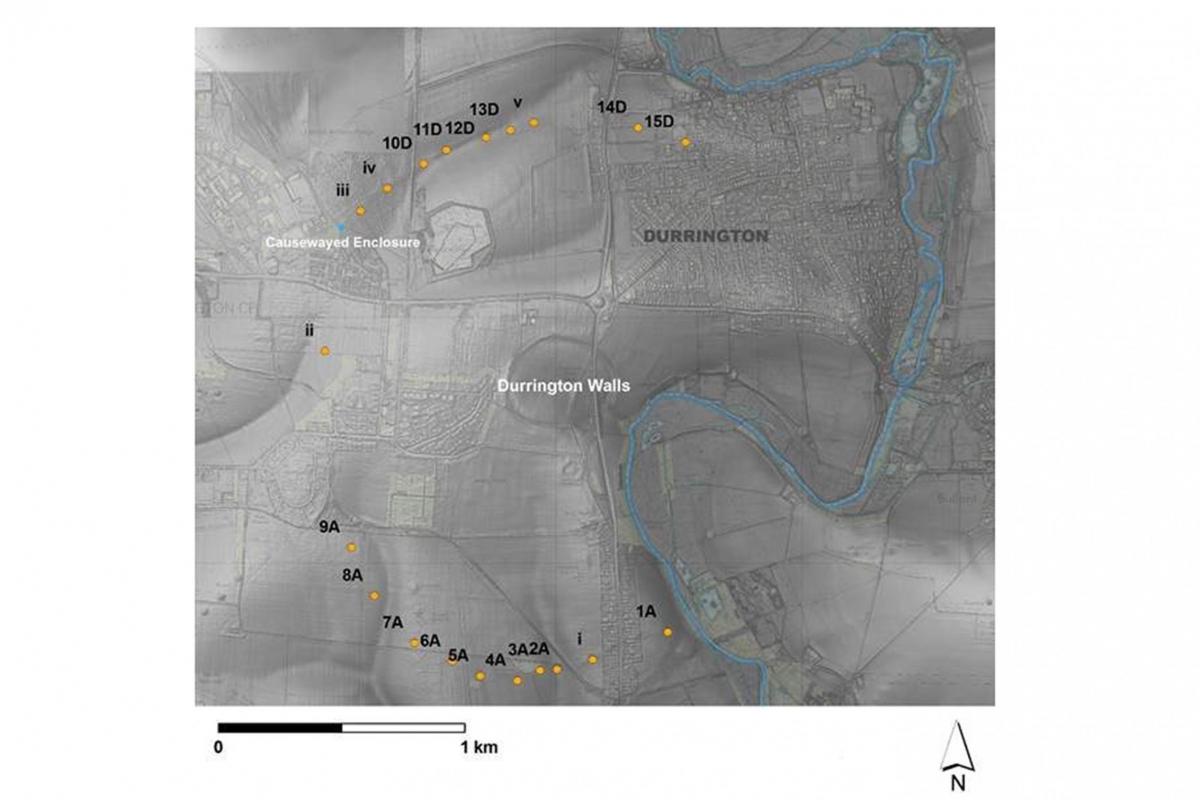
The archaeologists found a series of Neolithic shafts that date from around 2500 BC and stretch for 2km around the Durrington Walls and Woodhenge monuments. Durrington Walls is the site of a large Neolithic settlement and henge enclosure that is located 2 miles from Stonehenge, whilst Woodhenge is a Neolithic Class II henge and timber circle monument in the Stonehenge World Heritage Site.

The shafts are around 10 metres in diameter and reach a depth of 5 metres. Archaeologists believe they were used along with an internal post line to mark a boundary and to guide worshipers to the monuments.

The first shafts and post lines were discovered on Wessex Archaeology's excavations at MoD Durrington, with further examples of both found later on the nearby Army Basing Programme site at Larkhill, where the shafts and posts appear to be aligned on a causewayed enclosure and incorporate solstitial alignments. Initially thought to be natural solution hollows in the chalk made use of by prehistoric people, it was only thanks to a large geophysical study of the wider landscape that the Bradford team were able to identify a pattern emerging where they could literally join the dots.

Neolithic shafts discovered at Durrington Walls near Stonehenge

By using optically stimulated luminescence profiling and dating, a study of the sedimentary infills will also give the researchers an archive of the local environmental information and enable them to write a detailed narrative of the Stonehenge landscape.

Research on the shafts was conducted as part of the Stonehenge Hidden Landscape project in partnership with several universities and research institutions.

Prof Vince Gaffney from Bradford University said: “The area around Stonehenge is amongst the most studied archaeological landscapes on earth and it is remarkable that the application of new technology can still lead to the discovery of such a massive prehistoric structure which, currently, is significantly larger than any comparative prehistoric monument that we know of in Britain, at least.”

Eamonn Baldwin from the University of Birmingham said: “The Stonehenge landscape stands apart, not only as one of the most important archaeological landscapes in the world, but also amongst the best studied. To make such a major discovery within such an area is remarkable, and a testament to how archaeologists have begun to integrate technology with traditional research methods including excavation and aerial photographic survey.”

Matt Leivers of Wessex Archaeology said "this extraordinary discovery is the best possible demonstration of how Universities, commercial companies, pure research and planning-driven archaeology can come together to collaboratively rewrite the story of a landscape we all thought we knew."

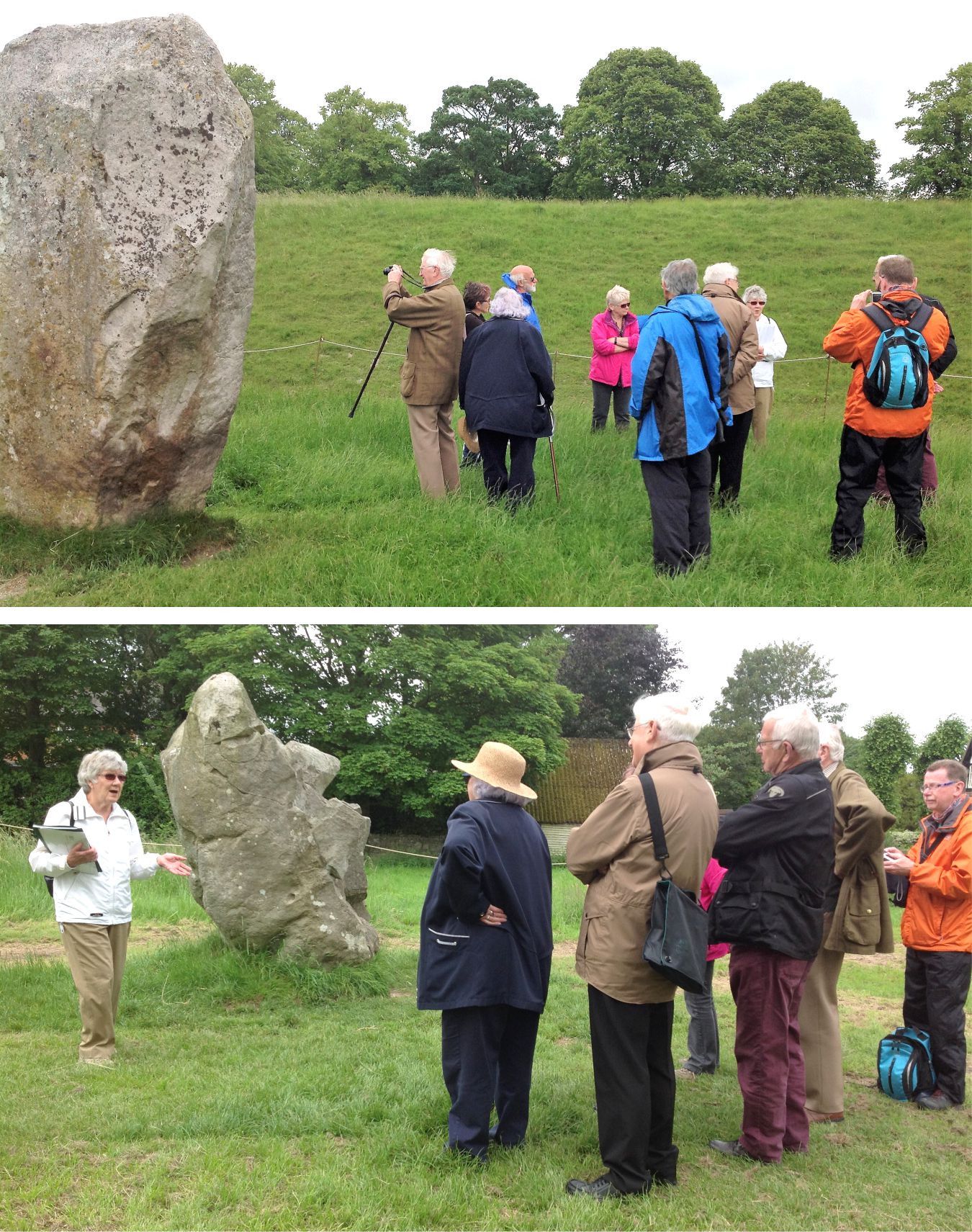
Volunteer Trip to Avebury

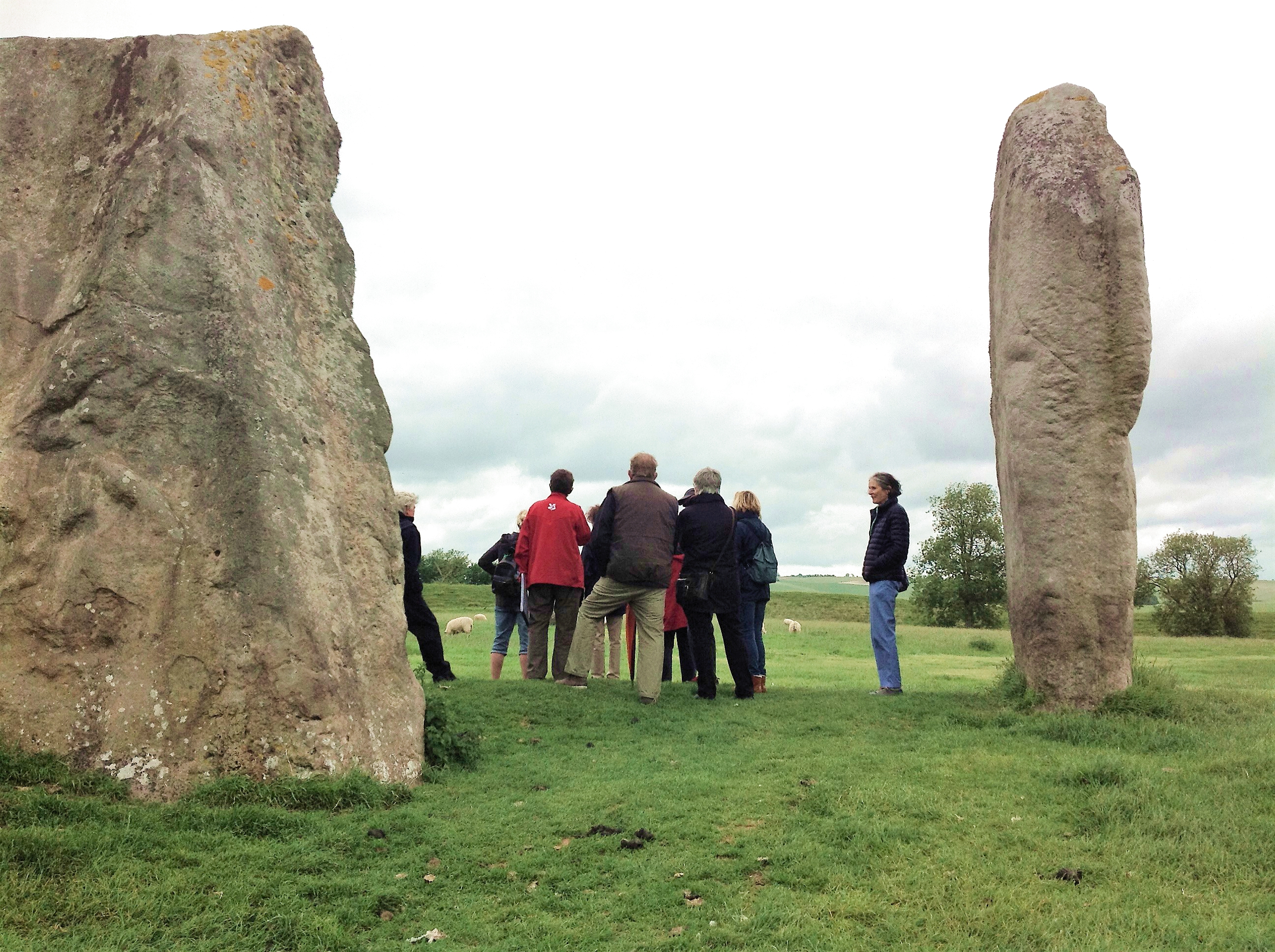
On Monday Avebury welcomed a group of about 40 volunteers from the local area. The volunteers were given a fascinating tour of Avebury Stone Circle by four of the volunteer guides and then visited the
Alexander Keiller Museum where they had the chance to explore the archaeological collection. All the volunteer guides from Avebury were extremely knowledgeable and clearly had a great passion for the site, we all greatly appreciated having them guide us through the landscape. The visit also included tea, cake and a chance for people to catch up with old friends and make new ones.
 

The visit was arranged by the Stonehenge and Avebury Learning and Outreach Group (SALOG) which is made up of staff from English Heritage, National Trust, Wessex Archaeology, The Salisbury Museum and Wiltshire Museum. The group arranged the visit to say thank you for all the work the volunteers do to protect, record, share and maintain heritage.
 
It was a great day and we would like to say a big thank you to the National Trust Avebury for hosting us all and Bridget Telfer from The Salisbury Museum for all the extra work she put in organising the visit. And once again thank you to all the volunteers who work across the heritage sector in and around the Stonehenge and Avebury landscape, we are all very grateful for the dedication and skills you provide.


Celebrating 30 years of the Stonehenge and Avebury World Heritage Site

It is 30 years since the inscription of Stonehenge and Avebury onto the World Heritage list in 1986, and on 19 and 20 November the Stonehenge and Avebury WHS Coordination Unit celebrated with a conference in

 the Corn Exchange, Devizes and series of events across the World Heritage Sites. 

The Stonehenge, Avebury and Associated Sites World Heritage Site consists of two blocks of Wessex chalkland some 40 km apart. Individually they contain distinctive complexes of Neolithic and Bronze Age monuments; together they are one of the most iconic and important prehistoric landscapes in the world.
 

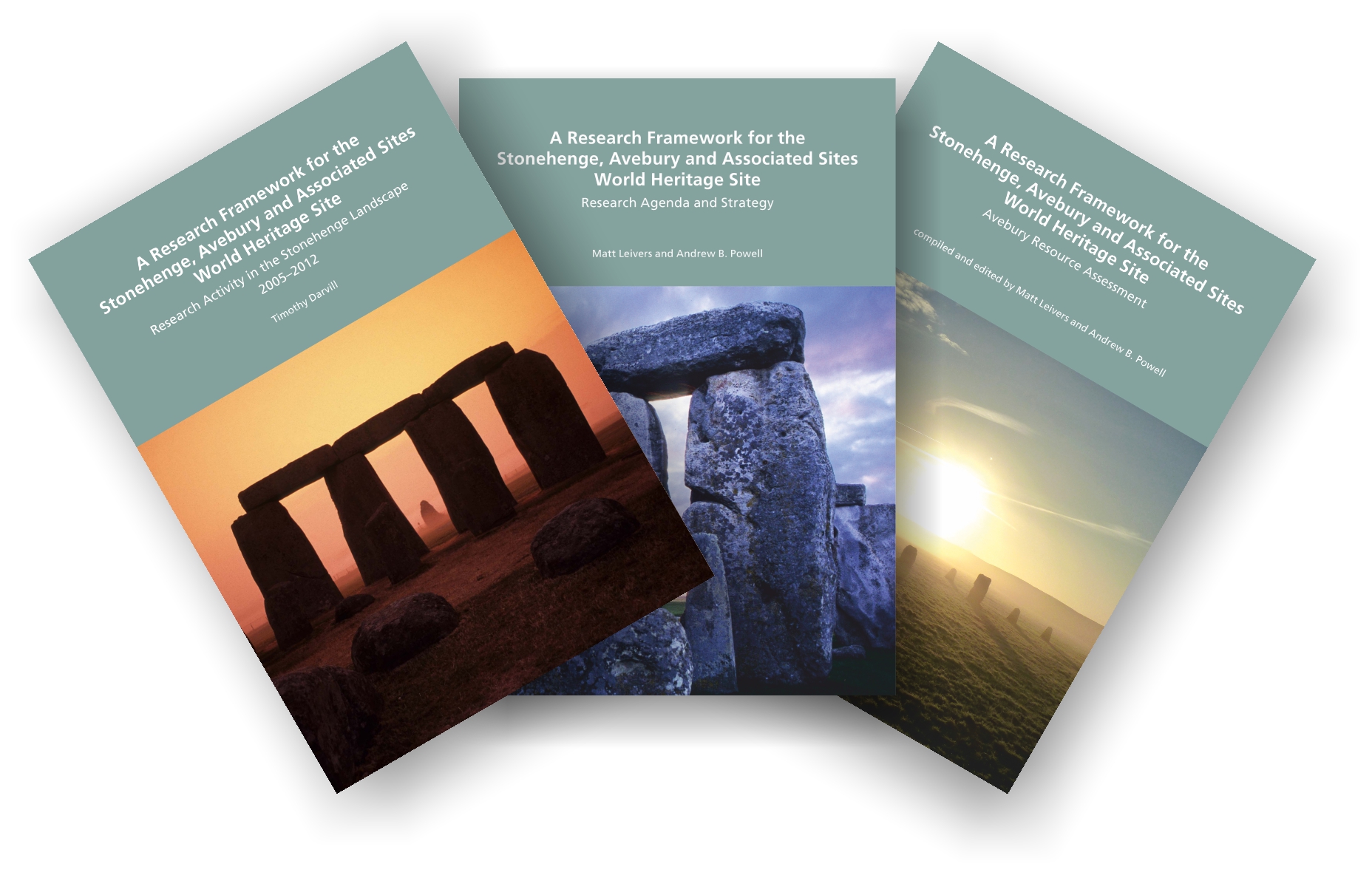
Wessex Archaeology has been coordinating the revision of the Avebury Resource Assessment, the Research Activity in the Stonehenge Landscape and writing an Agenda and Strategy to cover both of the World Heritage Sites. These important documents were launched at the conference on Saturday 19 November and will guide future researchers and those involved in the management of these iconic sites.
 
You can download these documents from www.stonehengeandaveburywhs.org


Volunteers Together at Stonehenge

Thursday 10th April 2014 saw the latest Volunteers Together event take place at the new Stonehenge visitors’ centre. 
 
Volunteer Together events are organised by the members of the Stonehenge Learning & Outreach Co-ordination Group (English Heritage, National Trust, Salisbury Museum, Wiltshire Museum and Wessex Archaeology) as a way of thanking our many enthusiastic volunteers and sharing news from the World Heritage Site. 
 

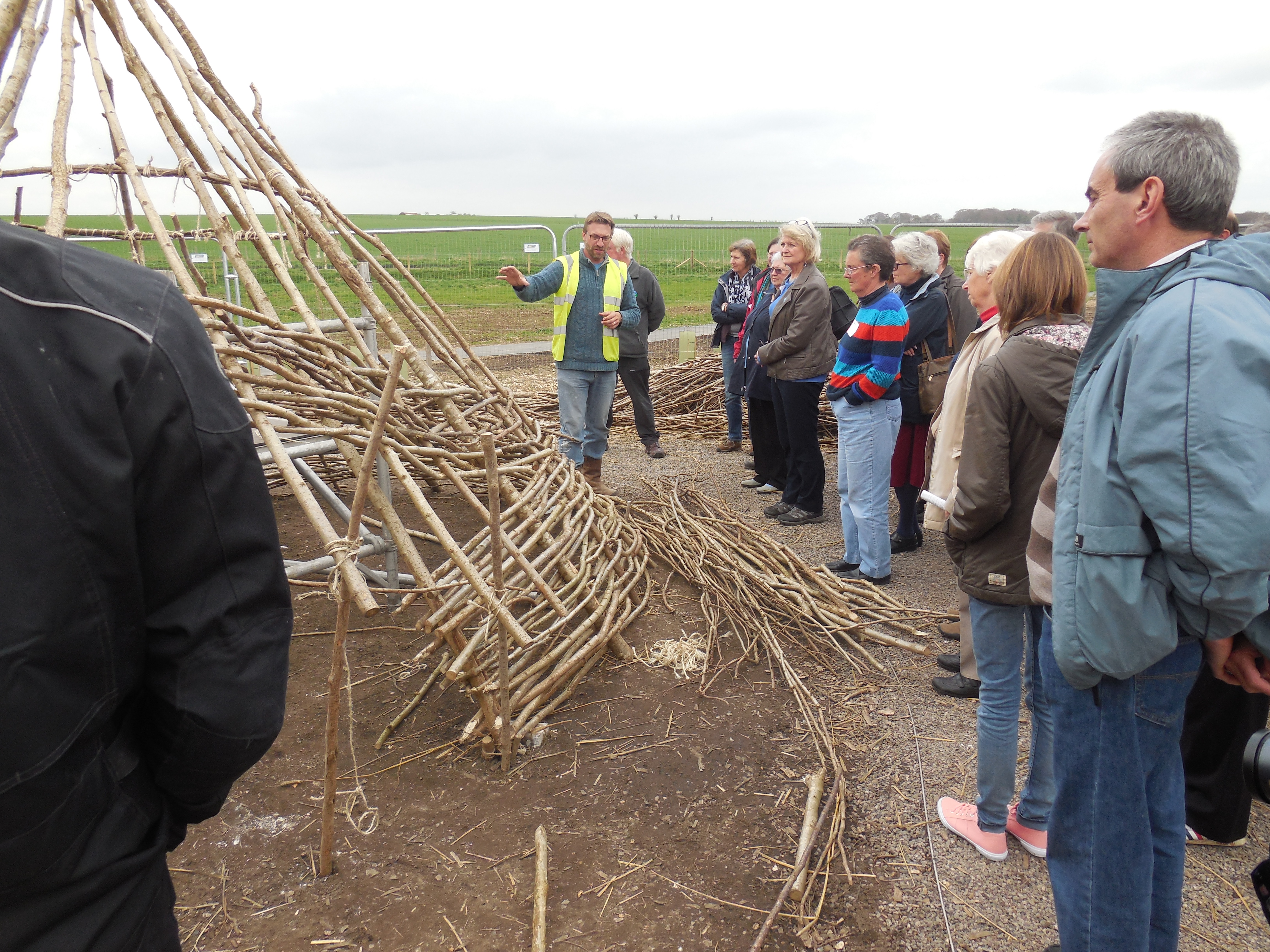
Thursday’s event featured updates from the World Heritage Site and Salisbury Museum’s new Wessex gallery, as well as an opportunity to network over tea and cake. The highlight was a chance to go behind the scenes at the Neolithic houses being constructed behind the visitors’ centre. Luke Winter from the Ancient Technology Centre guided us round the houses explaining construction methods and materials. Susan Greaney from English Heritage then described how the houses will be used as interactive learning zones once completed. 
Both the Stonehenge Learning & Outreach Co-ordination Group members, and the volunteers thoroughly enjoyed the afternoon, and are looking forward to the next event.